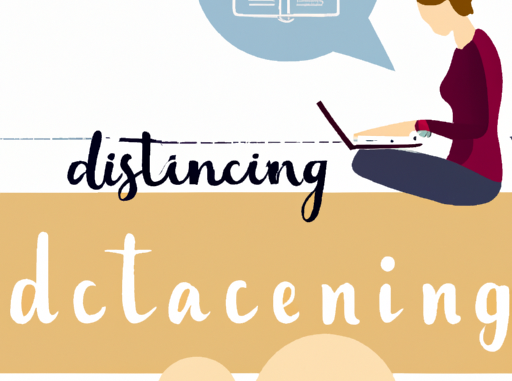
Distance Learning: An Informative Scientific Overview
Distance learning, often referred to as online or remote learning, is an educational paradigm that enables students to acquire knowledge and skills without being physically present in a traditional classroom environment. This mode of instruction leverages digital technologies—including live video conferencing, pre-recorded lectures, discussion forums, and interactive learning platforms—to deliver coursework and facilitate communication between educators and learners. Distance learning has evolved significantly since its early correspondence-course model, thanks to rapid advances in internet connectivity and the proliferation of accessible digital devices.
Scientific research into distance learning highlights both its benefits and challenges. One of the primary advantages is flexibility; learners can access materials on-demand, allowing them to study at their own pace and often balance education with work or personal commitments. Studies have found that, when designed effectively, distance learning can achieve learning outcomes comparable to traditional classroom-based instruction. This equivalence is particularly evident in higher education and professional training settings, where learners are often highly motivated and technologically proficient. However, some research indicates potential drawbacks, such as reduced opportunities for social interaction, feelings of isolation, and the need for strong self-regulation skills. These challenges can affect learner engagement and success, especially among younger students or those with limited prior experience in self-directed study.
Distance learning continues to impact educational paradigms worldwide, accelerated most recently by the COVID-19 pandemic. Institutional adoption and technological innovation have led to wider acceptance and integration of hybrid models, combining online and face-to-face elements. Recent scientific discourse focuses on improving instructional design for online platforms, ensuring equity in access to technology, and developing strategies to foster a sense of community in virtual environments. As digital learning tools continue to evolve, distance learning is poised to remain a vital component of global educational systems, offering expanded opportunities for lifelong learning and cross-cultural collaboration.
PhDr. Pavel Bartoš, LL.M., DBA (Evropská akademie vzdělávání / European Academy of education)
Leave a Reply