Nonprofits train staff, volunteers, and donors on a fraction of a corporate L&D budget. See what an LMS for nonprofits needs to scale training without adding admin work. This post was first published on eLearning Industry. Learning Management Systems Source: eLearning Industry Read More
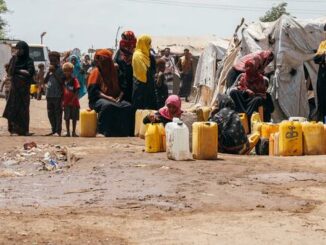
Aid agencies warned on Friday of the fast-developing humanitarian emergency inside Taiz City in Yemen, which has been encircled by de facto Houthi forces fighting government troops along the country’s west coast.
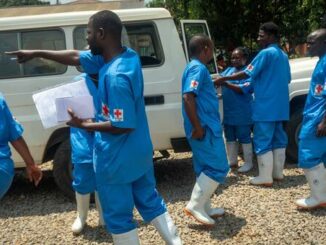
As Ebola continues to spread in the Democratic Republic of the Congo (DRC), more resources are needed to fight the disease and feed patients and families, UN agencies said on Friday.
There’s a sea of B2B podcasts online, and we’re certain you’ve listened to quite a few. However, are you sure you’ve discovered the best ones? We’ve done extensive research to discover 15 of the best marketing podcasts that can offer you insights and useful tips you can apply to your business. This post was first published on eLearning Industry. Podcast Marketing Source: eLearning Industry Read More
Mothers around the world get nearly eight times as much paid leave as fathers, leaving women to shoulder most of the care burden – at a cost to families, children and economies, according to new UN data published on Thursday.
The deadly flash flood that tore through Nepal in August is a “defining moment” for both the country and the international community, according to the head of the UN field agency which builds roads, schools and clinics in crisis zones.
Long-range Russian attacks across Ukraine are intensifying, including in Kyiv, causing at least 14 civilian deaths and 78 injuries overnight into Thursday, as UN agencies continue to provide aid.
Learn what divergent thinking is, how it differs from convergent thinking, practical examples, and how L&D can develop divergent thinking skills at work. This post was first published on eLearning Industry. Learning And Development Source: eLearning Industry Read More
Differentiated instruction is an educational framework aimed at tailoring teaching environments, curricula, and instructional practices to address the diverse learning needs, interests, and abilities of students within a classroom. Rather than adopting a “one-size-fits-all” approach, differentiated instruction recognizes that students vary in their readiness levels, learning profiles, cultural backgrounds, and motivation. Consequently, effective differentiated instruction requires teachers to proactively modify content (what is taught), process (how learning occurs), product (result of learning), and the learning environment based on ongoing assessment and observation. A key principle of differentiated instruction is flexibility. Teachers may offer multiple options for students to access information, such as using visual aids, hands-on activities, or written texts to explain a concept. Strategies like tiered assignments, learning centers, and ongoing formative assessments enable educators to provide varying levels of support, challenge, and complexity corresponding to student readiness and interests. For example, when teaching a new scientific concept, a teacher might have advanced students engage in […]
As the deadly Ebola disease outbreak reached an eighth province of the Democratic Republic of the Congo (DRC), investigators pursued all leads on Thursday to assess the risk of the disease spreading in Nigeria.