Research finds 24-point gap between district leaders’ perceptions and families’ experience of school communication. It also identifies opportunities to strengthen individualized, two-way family engagement and simplify the K-12 communication experience. This post was first published on eLearning Industry. Source: eLearning Industry Read More
Air traffic delays cost billions and turn journeys into ordeals. Some countries are already proving that better coordination saves thousands of flying hours and cuts emissions – and the UN’s aviation agency wants the rest of the world to follow.
The Flipped Classroom is an innovative instructional strategy that inverts the traditional teaching model by delivering instructional content, often online, outside of the classroom. In a typical flipped classroom, students are first exposed to new material through pre-recorded video lectures, readings, or other digital resources at home. Class time is then devoted to engaging in activities that deepen understanding, such as problem-solving, discussions, or collaborative projects. This approach contrasts with conventional models, where initial instruction occurs during class and practice is completed as homework. One of the primary benefits of the flipped classroom is the shift from passive to active learning. When students encounter foundational content at their own pace before class, they arrive better prepared to participate in higher-order tasks. Teachers can use in-class time to address misconceptions, provide targeted feedback, and facilitate group work that encourages critical thinking and application of concepts. Research has demonstrated that this model can increase student engagement, improve academic performance […]
Low completion rates make course creators rebuild courses that are not broken. Research on millions of learners shows that the number depends on who you count, and what to measure instead. This post was first published on eLearning Industry. Learner Engagement Source: eLearning Industry Read More
The United Nations celebrates its 81st anniversary on Saturday, highlighting more than eight decades of work to advance peace, human rights and development around the world.
When Tahani Al-Numeiri heard the first explosions in Khartoum, her hometown, war seemed so remote that she assumed they were celebrations from a nearby wedding. It was the morning of 15 April 2023, and the paramilitary Rapid Support Forces had just turned their guns on the army.
A question-level workflow for diagnosing errors, designing follow-up practice, and deciding what learners should do next. This post was first published on eLearning Industry. Instructional Design Source: eLearning Industry Read More
The head of the World Health Organization (WHO) is a self-confessed fan of K-pop sensation ENHYPEN and this week, he got the chance to tell them so in person.
The head of the International Atomic Energy Agency (IAEA), Rafael Grossi, called on Friday for a swift return of inspectors to Iran, warning of growing fragility in the global nuclear non-proliferation regime.
Master the secrets to writing clear learning objectives for training with practical frameworks, measurable action verbs, examples, and common mistakes to avoid. This post was first published on eLearning Industry. Instructional Design Source: eLearning Industry Read More
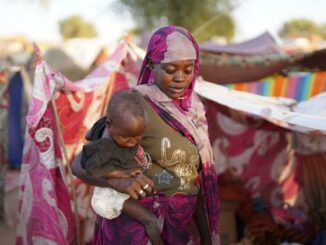
UN human rights chief Volker Türk on Friday strongly condemned an escalation in drone strikes across Sudan this month, which killed at least 306 people and injured hundreds more in the first three weeks of October alone.
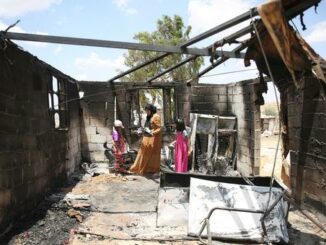
The UN said on Friday it was “extremely alarmed” by intensifying violence in the occupied West Bank, as Israel moved to seal off the territory following a deadly attack on its soldiers in Hebron.