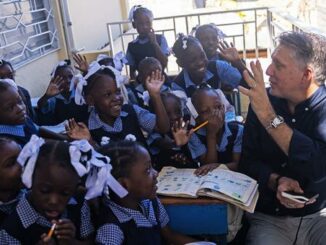
First Person: Bodies of children in Haiti have turned into ‘battlegrounds’
Armed groups in Haiti are inflicting “unimaginable horrors” on children, turning their “bodies into battlegrounds”, according to the UN Children’s Fund (UNICEF).
Armed groups in Haiti are inflicting “unimaginable horrors” on children, turning their “bodies into battlegrounds”, according to the UN Children’s Fund (UNICEF).
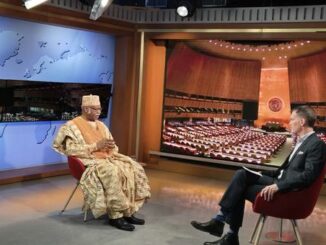
The landmark year in the life of the UN has prompted introspection and a fresh impetus for change. How can the organization remains relevant in a world that is almost unrecognizable from the post-World War Two consensus into which it was born?
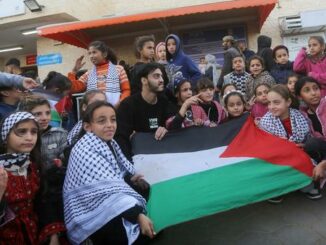
The head of UN Palestine refugee agency UNRWA underscored its commitment to assist a population whose rights “continue to be violated”.

The International Criminal Court (ICC) on Friday condemned an executive order signed by United States President Donald Trump imposing punitive sanctions, countering that the order sought to “harm its independent and impartial judicial work.”
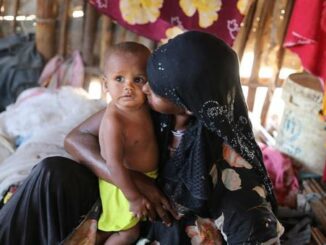
The US pause in foreign assistance funding has created “confusion” in the vital work of community HIV prevention, despite a waiver issued for HIV/AIDS programmes, the UN agency to combat the still deadly disease said on Friday.
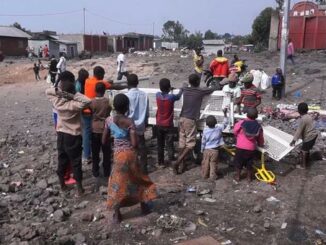
UN human rights chief Volker Türk on Friday expressed profound concerns at the ongoing violent escalation in eastern Democratic Republic of the Congo (DRC) caused by the ongoing Rwanda-backed M23 offensive. “If nothing is done, the worst may be yet to come, for the people of the eastern DRC, but also beyond the country’s borders,” he told a Special Session of the Human Rights Council in Geneva.

Terrorist fighters with ISIL/Da’esh invaded Iraq’s second city of Mosul in 2014, destroying centuries-old landmarks in a bid to erase its history and impose a bleak and repressive future on the nearly two million people who lived there.
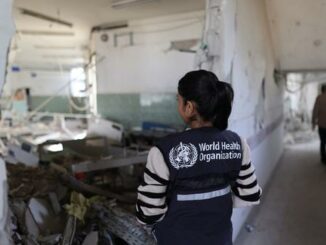
More than 12,000 critically ill and injured patients, including at least 5,000 children, urgently need to be evacuated from Gaza, amid the crumbling health system, the UN World Health Organization (WHO)’s top official in the region said on Thursday.
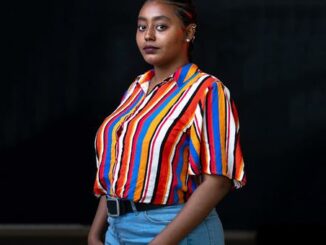
Some 230 million girls in more than 90 countries – predominantly in Africa and Asia – have undergone female genital mutilation (FGM) and can suffer lifelong physical, emotional and psychological scars, an issue that the UN’s sexual and reproductive health agency has been tackling with the support of the international community including the United States.
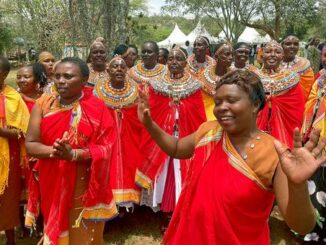
As the world marks the International Day of Zero Tolerance for Female Genital Mutilation on Thursday, the United Nations is warning that without urgent action, a staggering 27 million more girls could undergo the procedure by 2030.
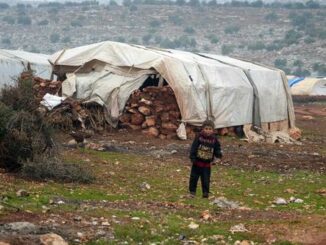
Widespread pillaging and the destruction of property in Syria by all parties to the conflict have largely gone unpunished and likely amount to war crimes, top independent rights investigators reporting to the Human Rights Council maintained on Thursday.
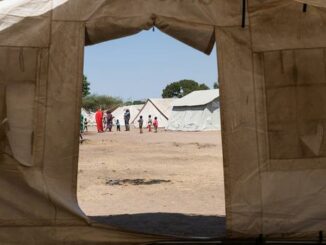
South Kordofan and Blue Nile states in Sudan are on the brink of catastrophe as violence continues to escalate at an alarming rate, the UN Humanitarian Coordinator in the country said on Thursday in a statement.