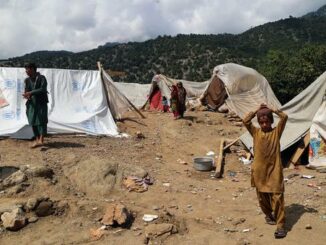
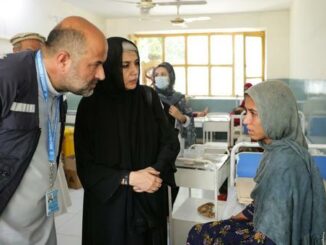
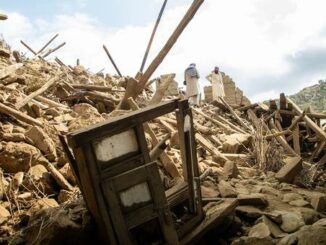
A senior UN aid coordination official in Afghanistan on Monday urged the international community to respond to earthquake victims’ urgent need for support “not only to survive today, but to have the strength to rebuild their lives tomorrow.”
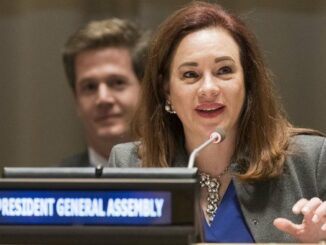
Since the creation of the United Nations 80 years ago, only four women have served as President of the General Assembly, where all 193 UN Member States debate the key issues facing the world.
Two Palestinian gunmen opened fire at a bus stop in Jerusalem on Monday, killing at least six people and leaving others wounded, some in a serious condition, according to Israeli authorities.
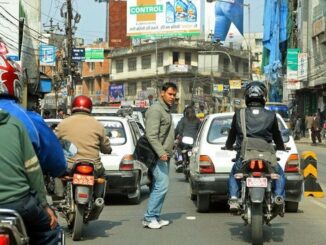
At least 15 people have been killed in Nepal, and over 100 injured, in large-scale youth protests that erupted in the capital and other cities on Monday following a Government ban on social media platforms.
UN rights chief Volker Türk on Monday condemned what he called a worldwide “glorification of violence” which is underway, as well as “coordinated efforts” to undermine fundamental birthrights. “It is time for States to wake up and to act,” he insisted.
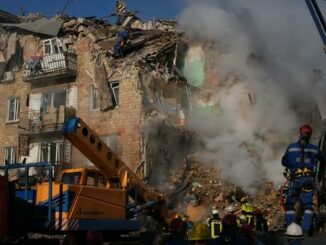
A baby was among those killed overnight into Sunday during what was reportedly Russia’s large aerial assault on Ukraine since its full-scale invasion began in 2022.
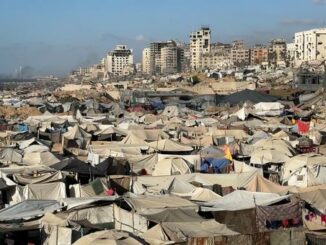
The narrow window to prevent the spread of famine from northern Gaza to other parts of the Strip is closing fast, the UN Emergency Relief Coordinator said on Sunday.
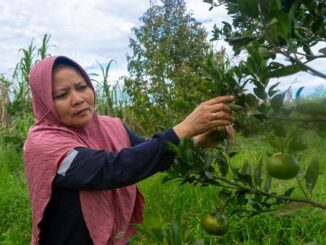
In the heart of Indonesia’s vast tropical landscapes, the province of Riau, known for its rich peatlands and biodiversity, is emerging as a beacon of climate leadership thanks to a new initiative that places local leadership and customary knowledge at the centre of climate action, in line with national policies.
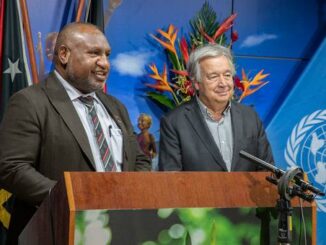
Speaking to journalists in the capital of Papua New Guinea (PNG) on Friday, UN chief António Guterres rounded off the first ever visit to the Pacific nation by a sitting Secretary-General, paying tribute to the country’s unbroken 50-year run as a multilingual democracy – which is now beset by major economic and environmental challenges.
The first jolt threw Dr. Abdul Mateen Sahak out of bed. The second sent him to his phone. It was right before midnight, last Sunday, and the steep, mountainous valleys of eastern Afghanistan had just been hit by a powerful 6.0-magnitude earthquake, closely followed by the first of many aftershocks.
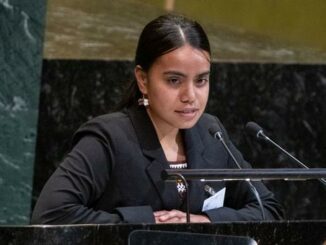
Standing behind the United Nations rostrum on the International Day Against Nuclear Tests, Oemwa Johnson, one of the younger members in the room, called on the General Assembly to heed a growing global call for nuclear justice.
The UN aid coordination office, OCHA, has released $10 million in response to the urgent need for food, water, shelter and other lifesaving provisions following this week’s devastating earthquakes and aftershocks in Afghanistan.