Post Title
PhDr. Pavel Bartoš, LL.M., DBA (Evropská akademie vzdělávání / European Academy of education)
PhDr. Pavel Bartoš, LL.M., DBA (Evropská akademie vzdělávání / European Academy of education)
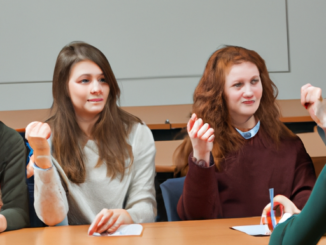
Rozvoj kritického myšlení ve školství prostřednictvím debatních klubů V současné době se české školství stále intenzivněji zaměřuje na rozvoj tzv. kompetencí pro 21. století – zejména schopnosti myslet kriticky, spolupracovat a efektivně komunikovat. Jedním z osvědčených nástrojů, jak tyto dovednosti u žáků a studentů rozvíjet, jsou debatní kluby. Tyto kluby nabízejí více než jen možnost procvičit si veřejný projev: vytvářejí bezpečné prostředí pro argumentaci, analýzu různých pohledů a hledání řešení problémů, se kterými se mladá generace bude setkávat v reálném životě. Debatní kluby fungují na principu týmových diskuzí na zadaná témata, kdy se studenti učí naslouchat, obhajovat svůj názor na základě důkazů a současně respektovat argumenty druhé strany. Právě díky tomuto dialogu získávají účastníci schopnost nahlížet na problém komplexně, rozlišovat fakta od domněnek a rozvíjet schopnost spolupráce při hledání nejlepších argumentů. Tyto zkušenosti z debat často přenášejí do běžného života a později také do pracovního prostředí, kde schopnost přesvědčivě a logicky prezentovat své myšlenky patří mezi klíčové […]
PhDr. Pavel Bartoš, LL.M., DBA (Evropská akademie vzdělávání / European Academy of education)
Project-Based Learning (PBL) is an instructional methodology in which students gain deep knowledge and skills by actively exploring real-world issues and challenges through extended, collaborative projects. Unlike traditional education models that often rely on passive absorption of information and rote memorization, PBL centers inquiry and student agency, fostering critical thinking, creativity, and problem-solving capabilities. In a typical PBL environment, educators design complex, authentic questions or challenges that serve as the project’s driving force. Students, often working in teams, conduct research, propose solutions, and create tangible artifacts or presentations that demonstrate their learning. The teacher’s role shifts from the primary source of information to that of a facilitator or coach, guiding students through the process, providing feedback, and creating opportunities for reflection. The real-world context intrinsic to PBL is crucial for motivating learners and making academic content relevant. Projects might involve addressing community issues, simulating professional roles, or developing prototypes to solve social, scientific, or technical problems. This […]
PhDr. Pavel Bartoš, LL.M., DBA (Evropská akademie vzdělávání / European Academy of education)
Blended Learning: Definition, Components, and Educational Impact Blended learning, also known as hybrid learning, represents a pedagogical approach that merges traditional face-to-face classroom instruction with online educational materials and activities. By integrating these two modes of learning, blended learning seeks to leverage the strengths of both—offering the interactivity and immediacy of classroom engagement alongside the flexibility and personalization made possible by digital technologies. In a typical blended learning environment, students might attend physical lectures or seminars while also completing assignments, participating in discussions, or utilizing multimedia resources via online platforms. The proportion between in-person and online components can vary widely depending on the educational context, learning objectives, and available resources. A fundamental strength of blended learning lies in its ability to support personalized and differentiated instruction. Online modules can be designed to allow students to progress at their own pace, review concepts as needed, and access a variety of learning resources tailored to diverse learning styles and […]
Blended Learning: A Contemporary Approach to Education Blended learning, also known as hybrid learning, refers to an educational approach that purposefully combines traditional face-to-face classroom methods with online educational materials and digital interactions. Unlike fully online or purely in-person instruction, blended learning leverages the strengths of both modalities, offering students a more flexible and personalized way of learning. In a blended model, essential knowledge transfer can occur through digital content such as video lectures, interactive modules, and online readings, while classroom time is preserved for discussion, collaborative activities, and hands-on experiences. This approach allows for varied learning paces, enabling students to review material as needed while still benefitting from in-person teacher support. The effectiveness of blended learning lies in its adaptability. By integrating technology, educators can track student progress in real time, deploying analytics to identify learning gaps and tailor interventions accordingly. Discussion boards, virtual classrooms, and interactive quizzes can foster engagement and participation among diverse learners, […]
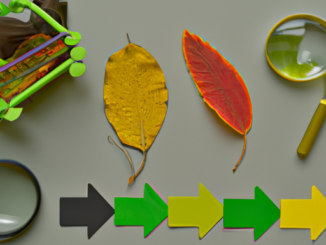
Implementation of Environmental Education in School Curricula: Harnessing Natural Resources to Foster Students’ Ecological Awareness In recent years, the significance of environmental education has grown rapidly, reflecting both societal demand and the requirements of a modern, sustainable future. Schools are responding to this trend by integrating ecological subjects into their curricula, with the aim of not only equipping students with theoretical knowledge, but above all, developing practical ecological awareness and responsibility for the environment. One of the most effective strategies in environmental education is the direct use of natural resources and the surrounding environment as didactic tools. At our school, we have successfully incorporated outdoor learning modules and project-based activities focused on sustainability, biodiversity, and resource management. These approaches allow students to directly observe ecological processes—such as decomposition in leaf litter, water filtration in natural wetlands, or the pollination cycles in school gardens—thereby making learning experiential, memorable, and relevant. Modern environmental education involves not only classic lessons […]

Project-Based Learning: A Scientific Overview Project-based learning (PBL) is an instructional approach in which students actively explore real-world problems and challenges, gaining a deeper knowledge through sustained inquiry. Unlike traditional methods that emphasize rote memorization and direct instruction, PBL centers around student-driven projects that require the application of knowledge, collaboration, research, and critical thinking. This approach is grounded in constructivist learning theory, which posits that learners construct knowledge most effectively when engaged in meaningful, contextualized activities. In PBL, students are presented with a complex question, problem, or task, often mirroring those found outside the classroom, and work over an extended period to investigate and respond. Scientific research into project-based learning reveals that it fosters several high-level cognitive skills. According to studies published in educational journals, students participating in PBL exhibit greater problem-solving abilities, improved communication skills, and enhanced retention of subject matter compared to their peers in traditional learning environments. PBL also encourages collaboration and self-regulation: students […]
New Digital Competence Course for Teachers: Preparing Educators for the Challenges of the 21st Century At the turn of the 21st century, digital literacy has become one of the key prerequisites for high-quality and effective education. The dynamic development of new technologies, artificial intelligence, online collaboration, and digital communication significantly shapes not only students’ daily lives but also the demands placed on pedagogy itself. In response to these changes, the European Academy of Education (EAV) has introduced a new course of digital competence for teachers – an initiative that seeks to prepare educators for the constantly evolving requirements of the digital age. Reflecting Modern Needs in Teacher Training The importance of digital competencies for teachers is documented by numerous educational studies and analyses. According to Eurostat, up to 85% of all jobs in Europe require at least basic digital skills. In the Czech Republic, the Ministry of Education (MŠMT) has identified digital literacy development as a strategic […]
The Flipped Classroom represents a transformative pedagogical model that inverts traditional teaching methods to actively engage students in the learning process. In a conventional classroom, instructors deliver lectures during class time and assign homework for practice and application outside of class. The Flipped Classroom reverses this approach: students first encounter new material independently, typically through pre-recorded video lectures, readings, or digital resources assigned as homework. This shift allows classroom time to be repurposed for interactive activities, such as problem-solving, discussions, group projects, and personalized instruction. By moving passive learning outside the classroom and making space for active, collaborative exercises during class, the Flipped Classroom seeks to foster deeper understanding and more meaningful engagement with the subject matter. A key theoretical foundation of the Flipped Classroom is constructivism, which posits that learners construct knowledge through active engagement rather than passive reception. In the Flipped Classroom, students acquire foundational knowledge independently at their own pace before class, allowing them […]
Blended learning, often referred to as hybrid learning, is an educational approach that integrates traditional face-to-face instruction with online learning experiences. In this model, students interact with instructors and peers in a physical classroom some of the time while also engaging with digital content, activities, and assessments remotely. The blended learning framework capitalizes on the strengths of both modes: it allows for personalized and self-paced learning afforded by online tools while retaining the interpersonal connections and immediate feedback characteristic of in-person education. This approach can take several forms, including the flipped classroom, rotation models, and the enriched virtual model. In a flipped classroom, for instance, students review lecture materials online at their own pace before attending class, where they participate in discussions, collaborative projects, and problem-solving sessions. The rotation model involves students cycling through various learning stations, which can include online modules and direct instruction. Blended learning environments utilize learning management systems (LMS), discussion forums, and interactive […]