Integration of Modern Technologies in Schools: How Tablets and Interactive Whiteboards are Transforming Traditional Teaching
The digitalization of education is a process that has been accelerating rapidly in recent years, influenced both by societal changes and technological innovation. Modern technologies, such as tablets and interactive whiteboards, are no longer viewed as mere enhancements, but have become an integral part of everyday teaching in many schools around the world, including the Czech Republic. Their goal is not only to make teaching more attractive, but above all to improve the quality and effectiveness of education itself.
Tablets in the Classroom: Personalized Approach and Immediate Access to Information
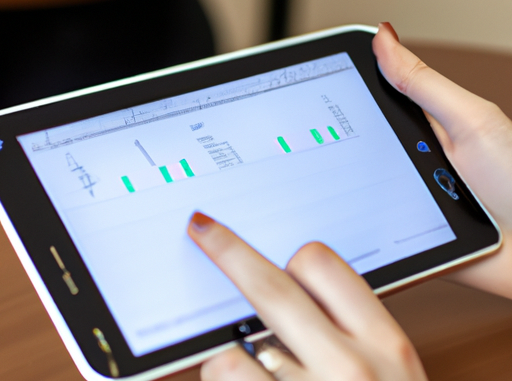
Tablets provide both students and teachers with immediate access to a vast array of educational resources, from digital textbooks to interactive applications. Thanks to their mobility and intuitive control, tablets enable the personalization of teaching—each student can proceed at their own pace, return to complex topics, and use tailored interactive exercises. Teachers can track student progress in real time and adapt the pace and style of teaching to match class needs. In addition, tablets support the integration of multimedia content, such as educational videos, simulations, or virtual experiments, which makes learning more engaging and closer to real-life situations.
Interactive Whiteboards: Active Participation and Immediate Feedback
Interactive whiteboards represent another important element of modern classrooms. Unlike traditional chalkboards, they afford teachers the opportunity to combine written explanation with the display of digital materials, web pages, and real-time annotations. Whiteboards support collaboration: students can actively participate by solving tasks directly on the board, voting in quizzes, or presenting their own projects. This allows for a more dynamic lesson, where students are not passive recipients of information but actively participate in the educational process. Teachers also have the chance to quickly evaluate answers and provide immediate feedback, which enhances motivation and learning outcomes.
New Role of Teachers and Development of Digital Literacy
The integration of tablets and interactive whiteboards also transforms the role of teachers. Instead of the traditional transmitter of facts, the teacher becomes a guide and facilitator who teaches students to work with information, critically assess its quality, and effectively use digital tools. This shift places increased emphasis on developing digital literacy not only among students but also among the teaching staff themselves, for whom continual professional development is essential.
Challenges and Future Perspectives
Despite the many benefits, the adoption of modern technologies in education is not without its challenges. Ensuring equal access to devices, adapting curricula, and safeguarding cybersecurity and data protection are issues schools must address. However, experiences from schools that have already implemented tablets and interactive whiteboards into daily teaching confirm that their benefits outweigh potential risks—students are motivated, more engaged, and teaching can react flexibly to the needs of each learner.
Conclusion
Tablets and interactive whiteboards represent a crucial step towards modernization of education. Their meaningful integration into teaching leads not only to more attractive lessons, but above all supports the development of competencies that are essential for life in a digital society. Schools that invest in modern technologies are better prepared to face the challenges of the 21st century and to lead students towards responsible and creative work with information and technology.
PhDr. Pavel Bartoš, LL.M., DBA (Evropská akademie vzdělávání / European Academy of education)
Leave a Reply