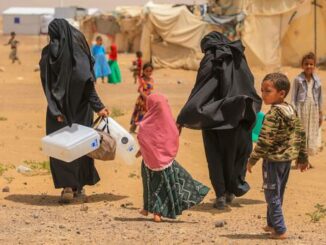
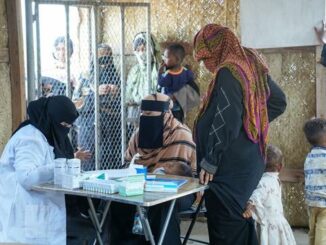
Amid rising violence in Yemen, the Security Council has called an emergency meeting at 3pm (NY time) on Tuesday to discuss the situation in the critical Bab el-Mandeb Strait shipping route as UN agencies warn of rising displacement, including thousands of Yemenis fleeing to Djibouti. UN News app users can follow here.
Differentiated instruction is an educational approach rooted in the understanding that students in any classroom possess diverse backgrounds, readiness levels, interests, and learning profiles. At its core, differentiated instruction entails deliberately planning and delivering curriculum, teaching strategies, and assessment methods to address the varied needs of individual learners, rather than adhering to a one-size-fits-all approach. This philosophy recognizes that students come with their own strengths and challenges, and seeks to provide multiple pathways for acquiring content, processing ideas, and demonstrating understanding. Key components of differentiated instruction include differentiating content (what students learn), process (how they make sense of the content), and product (how they show what they have learned). Teachers may modify instructional materials, scaffold assignments, use tiered activities, incorporate flexible grouping, or integrate varied instructional strategies such as cooperative learning or independent projects. Assessment for learning—ongoing formative assessment—is vital to differentiation, as it allows educators to identify each student’s current knowledge, skills, and preferred modes of […]
Teachers and Students from the Local High School Participate in International Exchange Program In the 2025/2026 academic year, our local high school has taken a significant step toward fostering global citizenship and academic excellence by joining an international exchange program. This initiative enables both teachers and students to spend a semester in partner schools abroad, reinforcing language proficiency, cross-cultural understanding, and academic growth. The program is meticulously designed to provide a comprehensive educational experience. Students have the opportunity to attend classes that align with their individual areas of interest and specialization. This allows them not only to deepen their knowledge in key subjects but also to compare educational methods and curricula from around the world. In addition to the academic component, the program emphasizes participation in extracurricular activities—such as student clubs, sports, and community projects—that contribute to personal and professional development. This year, participants from our school have journeyed to partner institutions in Spain, Finland, and Japan. […]
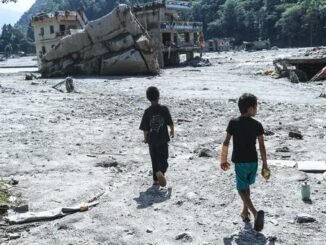
Three weeks after the devastating flash floods in Nepal, about 17,000 children require urgent mental health and psychosocial support in the country, the UN Children’s Fund (UNICEF) said on Tuesday.
Most L&D teams scaled Gen AI before writing the rules, and that order is backwards. This article lays out a practical, one-page governance policy across five areas: data, IP, bias, review, and disclosure, aligned to ISO 42001, NIST, and the EU AI Act. This post was first published on eLearning Industry. Artificial Intelligence Source: eLearning Industry Read More
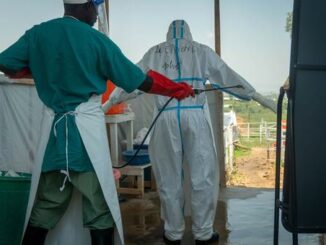
The deadly Ebola virus outbreak in DR Congo continues to spread across the vast country despite some success in containing it, aid officials said on Tuesday, in a renewed call for international support to help responders on the ground.
The escalating conflict in Yemen is choking off aid shipments and driving fresh displacement, including to nearby Djibouti, with UN agencies reporting on Tuesday that nearly 100,000 people have been displaced since fighting intensified earlier this month.
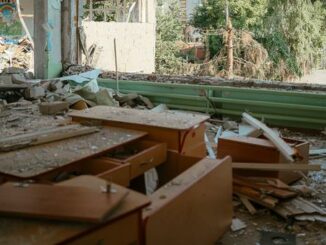
In an underground classroom in Sumy, Ukraine, children sit quietly at their desks, busy with the day’s lessons. For the moment they are shielded from the horrors of nearly five years of war, but just barely.
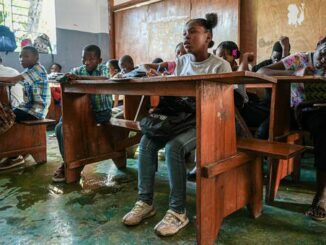
When UNICEF’s Representative in Haiti Geetanjali Narayan stepped into a classroom in Port-au-Prince at the start of the new school year, she asked the children a simple question: What did they most need from the UN children’s agency?
Discover valuable article pitch examples to help you craft compelling proposals that resonate with editors and engage readers. This post was first published on eLearning Industry. eLearning Marketing Strategies Source: eLearning Industry Read More
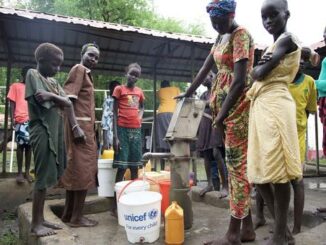
The already dire hunger crisis in South Sudan is becoming increasingly critical as violence, extreme weather and dwindling aid leave millions without enough food, the UN World Food Programme (WFP) warned on Tuesday.
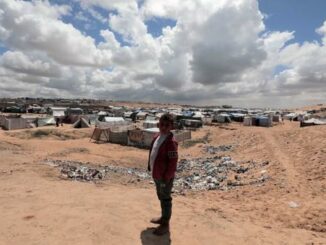
Bodies are still being pulled from the rubble of Gaza, three years after Israeli bombardment flattened entire neighbourhoods – most of them women and children.