Further attacks have been reported across the Middle East as the war enters a second month, with one UN peacekeeper killed in Lebanon on Sunday and another seriously injured. On the diplomatic front, the UN has announced a taskforce to restore the flow of fertilizer and aid through the Strait of Hormuz, while the UN’s atomic watchdog confirms an attack on a heavy water facility at Khondab in Iran. Stay with us for live updates on this and UN agencies. App users can follow coverage here.
Launching for back-to-school 2026, ClassDojo for Districts introduces parent-student messaging, so phone-free policies don’t mean disconnected families. This post was first published on eLearning Industry. Source: eLearning Industry Read More
UN Secretary-General António Guterres called for accountability after a peacekeeper was killed in Lebanon on Sunday amid hostilities between Israel and Hezbollah.
Blended learning, sometimes referred to as hybrid learning, is an educational approach that combines traditional face-to-face classroom instruction with online learning experiences. This methodology leverages the strengths of both settings, enabling students to engage with course content outside of the classroom while also benefiting from direct interactions with instructors and peers during in-person sessions. Blended learning models can vary in the balance and sequencing of online and offline activities, but all seek to create a more flexible, engaging, and effective learning environment compared to conventional, wholly in-person or wholly online formats. One of the primary advantages of blended learning is its ability to personalize education. Online components, such as interactive activities, recorded lectures, and digital assessments, allow students to progress at their own pace and revisit material as needed. Meanwhile, the classroom component provides opportunities for discussion, collaboration, real-time feedback, and hands-on experiences that are challenging to replicate digitally. This dual approach can enhance learning outcomes by […]
Discover how AI is revolutionizing corporate training. Learn how to build a modern learning framework with personalized paths and top AI-powered LMS features. This post was first published on eLearning Industry. Learning Management Systems Source: eLearning Industry Read More
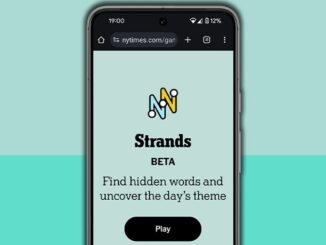
Looking for a different day? A new NYT Strands puzzle appears at midnight each day for your time zone – which means that some people are always playing ‘today’s game’ while others are playing ‘yesterday’s’. If you’re looking for Sunday’s puzzle instead then click here: NYT Strands hints and answers for Sunday, March 29 (game #756). Strands is the NYT’s latest word game after the likes of Wordle, Spelling Bee and Connections – and it’s great fun. It can be difficult, though, so read on for my Strands hints. Want more word-based fun? Then check out my NYT Connections today and Quordle today pages for hints and answers for those games, and Marc’s Wordle today page for the original viral word game. SPOILER WARNING: Information about NYT Strands today is below, so don’t read on if you don’t want to know the answers. NYT Strands today (game #757) – hint #1 – today’s theme What is the […]
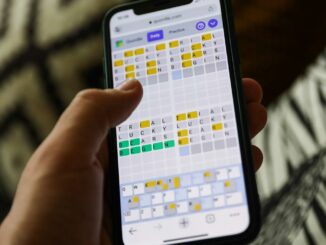
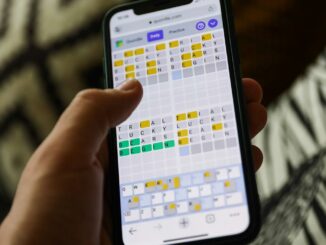
Looking for a different day? A new Quordle puzzle appears at midnight each day for your time zone – which means that some people are always playing ‘today’s game’ while others are playing ‘yesterday’s’. If you’re looking for Sunday’s puzzle instead then click here: Quordle hints and answers for Sunday, March 29 (game #1525). Quordle was one of the original Wordle alternatives and is still going strong now more than 1,400 games later. It offers a genuine challenge, though, so read on if you need some Quordle hints today – or scroll down further for the answers. Enjoy playing word games? You can also check out my NYT Connections today and NYT Strands today pages for hints and answers for those puzzles, while Marc’s Wordle today column covers the original viral word game. SPOILER WARNING: Information about Quordle today is below, so don’t read on if you don’t want to know the answers. Quordle today (game #1526) […]
Discover why LMS platforms alone can’t support modern learning and how connected systems enable continuous, workflow-driven development. This post was first published on eLearning Industry. Learning Technologies Source: eLearning Industry Read More
Looking for a different day? A new Quordle puzzle appears at midnight each day for your time zone – which means that some people are always playing ‘today’s game’ while others are playing ‘yesterday’s’. If you’re looking for Saturday’s puzzle instead then click here: Quordle hints and answers for Saturday, March 28 (game #1524). Quordle was one of the original Wordle alternatives and is still going strong now more than 1,400 games later. It offers a genuine challenge, though, so read on if you need some Quordle hints today – or scroll down further for the answers. Enjoy playing word games? You can also check out my NYT Connections today and NYT Strands today pages for hints and answers for those puzzles, while Marc’s Wordle today column covers the original viral word game. SPOILER WARNING: Information about Quordle today is below, so don’t read on if you don’t want to know the answers. Quordle today (game #1525) […]
Just hours after war broke out in the Middle East last month, United Nations Secretary-General António Guterres warned the Security Council that the fighting risked “igniting a chain of events that no one can control in the most volatile region of the world.”
Hiring custom eLearning development services allows Learning and Development (L&D) teams to deliver relevant, engaging, and scalable training solutions that drive real performance improvements. This post was first published on eLearning Industry. eLearning Design and Development Source: eLearning Industry Read More