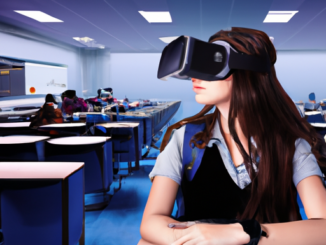
The integration of virtual reality (VR) technology in educational settings is revolutionizing the way students learn and engage with content. As we delve into 2024, the impact of VR in classrooms is more evident than ever, transforming traditional educational models into immersive, interactive experiences that hold the promise of enhanced learning outcomes. Emerging Trends in VR Education VR technology offers an immersive environment where students can interact with subjects in a manner previously thought impossible. Teachers can now transport students to ancient civilizations, explore the intricate workings of the human body, or even dive deep into the cosmos, all within the confines of a classroom. These immersive experiences provide students with a unique perspective, fostering deeper understanding and retention of complex concepts. One of the significant trends is the use of VR for experiential learning. This pedagogical approach emphasizes active participation, where students learn by doing. VR provides a safe space for students to experiment, make mistakes, […]
Blended Learning: An Innovative Approach to Education Blended learning is an educational strategy that combines traditional classroom teaching with online and digital resources, merging the benefits of face-to-face instruction with the flexibility of technology-enhanced learning. This approach allows educators to tailor their teaching methods to better meet the diverse needs of students by integrating various learning modalities. In a blended learning environment, students might attend in-person classes for direct interaction and discussion, while also engaging with online modules, videos, and interactive assessments at their own pace. This method not only provides students with greater control over their learning experiences but also facilitates a more personalized and adaptive learning process. The effectiveness of blended learning lies in its ability to leverage the strengths of both physical and virtual learning environments. In the classroom, teachers can focus on fostering critical thinking, collaboration, and communication skills through interactive activities and discussions. Meanwhile, online components can be used to reinforce and […]
Project-Based Learning (PBL) is an educational approach that emphasizes student-centered inquiry and real-world problem-solving. Unlike traditional teaching methods that often rely on passive learning through lectures and rote memorization, PBL engages students in active exploration of complex questions or challenges. This pedagogical strategy is rooted in the constructivist theory of education, which posits that learners construct knowledge most effectively through hands-on experiences and reflection. By engaging in projects that require investigation, collaboration, and critical thinking, students develop a deeper understanding of the subject matter and enhance their skills in areas such as communication, teamwork, and self-management. The implementation of PBL involves several key components. First, it begins with a driving question or problem that is relevant and meaningful to the students, encouraging them to take ownership of their learning process. This is often followed by a phase of sustained inquiry, where students research, experiment, and apply their knowledge to develop solutions or create tangible products. Throughout the […]
Exploring the Impact of Virtual Reality in Classrooms: How VR is Revolutionizing Student Engagement and Learning Outcomes The year 2024 marked a significant milestone in educational innovation as the integration of virtual reality (VR) into classrooms gained unprecedented momentum. This technological advancement is transforming traditional learning environments, offering students immersive experiences that were once deemed science fiction. At the forefront of this revolution, educators and institutions are witnessing a paradigm shift that not only enhances student engagement but also significantly improves learning outcomes. The transformative power of VR in education lies in its ability to create a fully immersive learning environment that transcends the limitations of physical classrooms. By simulating real-world scenarios and environments, VR provides students with hands-on experiences that are both engaging and educational. For instance, in history classes, students can virtually visit ancient civilizations, exploring historical landmarks and interacting with historical figures. In science, VR allows students to conduct virtual experiments in a risk-free […]
Blended learning, also known as hybrid learning, is an educational approach that combines traditional face-to-face classroom instruction with online learning activities and digital resources. This pedagogical model aims to leverage the strengths of both in-person and digital learning environments to enhance the educational experience. The blended learning framework can be customized to fit various educational contexts, whether in K-12 schools, universities, or corporate training programs, making it a versatile and widely applicable model in modern education. One significant advantage of blended learning is its ability to offer a personalized learning experience. With online components, students can access a wealth of digital resources, such as videos, interactive simulations, and discussion forums, at their own pace and according to their personal learning styles. This flexibility allows learners to revisit materials as needed and proceed through content based on their comprehension and comfort level. In contrast, face-to-face interactions with instructors and peers provide opportunities for real-time feedback, collaborative learning experiences, […]
The Impact of Hybrid Learning Models on Student Engagement and Achievement: An In-Depth Analysis of Blended and Online Education Strategies In recent years, the education landscape has been significantly transformed by the integration of digital technologies and innovative teaching methods. Among the most prominent changes is the adoption of hybrid learning models, which blend traditional in-person instruction with online learning opportunities. These models, encompassing both blended and fully online education strategies, have been increasingly implemented across various educational institutions worldwide. This shift prompts an exploration of their impact on student engagement and achievement, particularly in the context of evolving educational needs and technological advancements. Understanding Hybrid Learning Models Hybrid learning models combine the best elements of face-to-face classroom experiences with the flexibility of online learning environments. Blended learning, a subset of hybrid learning, typically involves a mix of in-person and online instruction, allowing students to engage with content at their own pace while benefiting from direct interaction […]
Competency-based education (CBE) represents a paradigm shift in the educational landscape, focusing on the development and demonstration of skills and knowledge rather than the traditional time-based progression through curricula. Unlike the conventional education model, where students advance based on age or grade levels, CBE allows learners to progress upon mastering specific competencies. This approach emphasizes personalized learning experiences, where instruction is tailored to meet individual learning paces and styles, thereby ensuring that all students achieve a high level of proficiency in the necessary skills and knowledge. By focusing on outcomes, CBE aligns educational objectives with real-world applications, preparing students for both academic and professional success. Central to the competency-based approach is the clear definition of learning outcomes and competencies that students must demonstrate. These competencies encompass a mix of knowledge, skills, and attitudes that are deemed essential for success in a particular field or subject. Educators design assessments that require students to apply their learning in practical, […]
Exploring the Impact of AI on Modern Education: How Artificial Intelligence is Transforming Teaching Methods and Student Learning Experiences In the rapidly evolving landscape of modern education, artificial intelligence (AI) is emerging as a transformative force, reshaping traditional teaching methods and enhancing student learning experiences. As schools and universities worldwide integrate AI into their curricula, the potential for personalized, efficient, and engaging educational experiences is becoming increasingly apparent. AI in the Classroom: Personalizing Education One of AI’s most significant impacts on education is its ability to personalize learning. Traditional education often follows a one-size-fits-all approach, which can leave some students behind. AI addresses this issue by analyzing individual student data, including performance, learning styles, and preferences, to tailor educational content. This personalization ensures that students receive instruction suited to their unique needs, resulting in improved comprehension and retention. For instance, AI-powered platforms like DreamBox and Knewton use adaptive learning technology to adjust difficulty levels and provide targeted […]
Differentiated instruction is an educational approach that aims to tailor teaching methods and learning experiences to accommodate the diverse needs of students within a classroom. This approach recognizes that students have varied backgrounds, readiness levels, interests, and learning preferences, and therefore seeks to provide multiple pathways for students to access content, engage with material, and demonstrate their understanding. Differentiated instruction incorporates a range of strategies, such as flexible grouping, ongoing assessment, and the use of tiered assignments, to ensure that all students can achieve academic growth and success. The ultimate goal is to create an inclusive learning environment where each student can thrive and reach their full potential. One of the key principles of differentiated instruction is the concept of readiness, which refers to a student’s current level of knowledge and skill in relation to a particular subject or topic. Teachers can assess readiness through formative assessments, observations, and student self-assessments to determine the appropriate level of […]
Title: The Impact of Digital Learning Platforms on Student Engagement and Academic Success: Exploring the Benefits and Challenges In recent years, digital learning platforms have revolutionized the landscape of education, providing unprecedented opportunities for students to engage with learning materials in innovative ways. These platforms, which range from simple content delivery systems to complex interactive environments, have played a pivotal role in enhancing student engagement and academic success. However, with these advancements come a set of unique challenges that educators and students must navigate. This article explores both the benefits and challenges of digital learning platforms in modern education. Benefits of Digital Learning Platforms Increased Accessibility and Flexibility: One of the most significant benefits of digital learning platforms is the increase in accessibility and flexibility they offer. Students can access learning materials anytime, anywhere, which is particularly beneficial for those balancing education with work or personal commitments. This flexibility allows learners to study at their own pace […]
Project-Based Learning (PBL) is an educational approach that emphasizes learning through engaging with real-world projects. Unlike traditional learning methods, which often rely on passive reception of information, PBL encourages active exploration and hands-on experience. This method allows students to develop a deeper understanding of the subject matter by working on projects that require critical thinking, creativity, collaboration, and communication. These projects are typically complex questions or problems that require students to investigate and respond meaningfully, which promotes the development of problem-solving skills and knowledge application. One of the key features of PBL is its focus on student autonomy. Students are often given the freedom to choose the topic of their projects, the process they will use to explore the topic, and the way they will present their findings. This autonomy encourages students to take ownership of their learning and to be more engaged and motivated. By working on projects that are relevant to their interests and real-world […]