Differentiated instruction is an educational framework that aims to tailor teaching environments and practices to accommodate the diverse needs, learning styles, and abilities of students in a classroom. This approach is grounded in the understanding that students are not uniform in their learning processes; they have varying backgrounds, readiness levels, and interests. Differentiated instruction seeks to address these differences by providing multiple avenues for students to engage with the material, understand key concepts, and demonstrate their knowledge. Teachers who employ differentiated instruction modify the content, process, products, and learning environments to create more personalized learning experiences for each student. The concept of differentiated instruction rests on several core principles. Firstly, it emphasizes the importance of ongoing assessment and adjustment. Teachers continually assess students’ progress and understanding through formative assessments, allowing them to adapt lesson plans and instructional strategies in real-time. Secondly, it recognizes the need to provide varied instructional methods. This might involve using a blend of […]
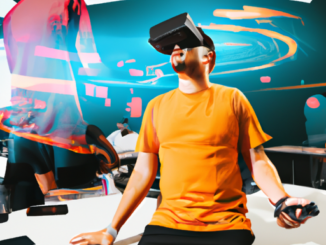
The Impact of Virtual Reality in Modern Education Virtual Reality (VR) has significantly transformed various sectors, with education being one of the most promising fields. By offering immersive learning experiences, VR technology enhances student engagement and understanding across a wide range of subjects. This article explores the benefits, challenges, and future potential of incorporating VR into educational settings. Benefits of VR in Education One of the primary advantages of VR in education is the ability to create immersive learning environments that engage students more deeply than traditional methods. Virtual reality allows students to explore environments and scenarios that would be impossible or impractical in the real world. For example, history students can visit ancient civilizations, biology students can explore the human body in 3D, and chemistry students can conduct virtual experiments without harmful chemicals. Moreover, VR promotes active learning, which is more effective than passive learning formats such as lectures. By actively participating in a VR simulation, […]
The flipped classroom is an instructional strategy that reverses the traditional learning environment by delivering instructional content, often online, outside of the classroom. This approach allows students to engage with new material at their own pace, using videos, readings, or other resources, before attending class. During class time, rather than passively listening to a lecture, students participate in discussions, problem-solving, or hands-on activities that reinforce and deepen their understanding of the subject matter. This method supports active learning and shifts the role of the teacher from the “sage on the stage” to a “guide on the side,” facilitating a more interactive and student-centered learning experience. One of the primary benefits of the flipped classroom model is that it allows students to learn at their own pace. By accessing instructional content online, students can pause, rewind, and review the material as needed to ensure comprehension before class. This is particularly beneficial for students who may struggle to keep […]
Title: The Impact of Technology on Modern Education: How Digital Tools are Transforming the Classroom Experience In recent years, the landscape of education has undergone a profound transformation, driven by the rapid advancement of technology. This evolution has not only reshaped the traditional classroom setting but also redefined the way students and teachers interact with educational content. The integration of digital tools into education has heralded a new era where learning is more accessible, personalized, and dynamic than ever before. One of the most significant impacts of technology on education is the democratization of learning. With the proliferation of the internet and mobile devices, educational resources are now accessible to a global audience. Platforms like Khan Academy, Coursera, and edX have made it possible for anyone with an internet connection to access high-quality educational content, often free of charge. This accessibility breaks down geographical and economic barriers, enabling learners from diverse backgrounds to pursue knowledge and skills […]
Blended Learning, also known as hybrid learning, is an educational approach that combines traditional face-to-face classroom methods with online educational materials and activities. This approach leverages the strengths of both in-person and digital learning environments to create a more flexible and personalized learning experience for students. The concept of Blended Learning is not entirely new; it has evolved over the years with advancements in technology, making it an increasingly popular and effective model in educational institutions worldwide. One of the key benefits of Blended Learning is its ability to provide students with greater control over the time, pace, and location of their learning. By integrating online resources, students can access lectures, assignments, and supplementary materials at their convenience, allowing them to learn at their own pace and review content as needed. This flexibility is particularly beneficial for students with diverse learning needs or for those who balance education with work or other commitments. Furthermore, the use of […]
The Rise of Online Learning Platforms: How Virtual Classrooms are Shaping the Future of Education In recent years, the landscape of education has undergone a significant transformation, driven largely by the advent and rise of online learning platforms. These virtual classrooms are not only reshaping the traditional educational model but are also broadening access to learning opportunities and redefining the way knowledge is imparted and acquired. This article explores the factors contributing to the rise of online learning platforms and their impact on the future of education. Accessibility and Flexibility One of the most significant advantages of online learning platforms is their accessibility. Unlike traditional classrooms, which require physical presence, online platforms offer the freedom to learn from anywhere in the world. This flexibility is particularly beneficial for students who face geographical, financial, or personal constraints that prevent them from attending traditional educational institutions. For example, students in rural areas or those with disabilities can access quality […]
How the Integration of Virtual Reality is Transforming STEM Education In recent years, the landscape of education has been rapidly evolving, with technology playing an increasingly pivotal role in shaping how students learn and interact with academic content. Among the most transformative technologies is Virtual Reality (VR), which has begun to revolutionize STEM (Science, Technology, Engineering, and Mathematics) education. By offering immersive, interactive, and engaging learning experiences, VR is not only enhancing the educational journey but also preparing students for the future’s technological demands. Immersive Learning Experiences One of the most significant benefits of integrating VR into STEM education is the ability to create immersive learning environments. Traditional teaching methods often struggle to illustrate complex scientific concepts, especially those that are abstract or require visualization beyond two-dimensional diagrams. VR allows students to step into a three-dimensional world where they can interact with molecules, explore the vastness of space, or witness geological processes in real-time. This kind of […]
Blended learning, also known as hybrid learning, is an educational approach that combines traditional face-to-face classroom experiences with online learning activities. This model has gained significant traction in educational institutions worldwide due to its ability to leverage the benefits of both in-person and digital learning environments. Blended learning provides a flexible framework that caters to diverse student needs, allowing for a more personalized learning experience. The integration of technology into the curriculum enriches the learning process by providing access to a wealth of resources and interactive tools that can enhance student engagement and facilitate a deeper understanding of complex subjects. One of the primary advantages of blended learning is its flexibility. By incorporating online components, students can learn at their own pace, revisiting challenging materials or advancing through topics as needed. This self-directed approach empowers students to take control of their learning journey, fostering independence and critical thinking skills. Furthermore, blended learning can accommodate different learning styles […]
The Impact of Artificial Intelligence on Modern Education Practices: Exploring New Teaching Techniques and Student Engagement Strategies In recent years, the integration of Artificial Intelligence (AI) into education has revolutionized teaching methods and student engagement strategies. As AI technologies become increasingly sophisticated, they offer unprecedented opportunities for personalized learning, efficient classroom management, and enhanced educational outcomes. This transformative impact is reshaping the landscape of education, making it more accessible, adaptive, and engaging for students worldwide. Personalized Learning Through AI One of the most significant contributions of AI in education is its ability to facilitate personalized learning. AI systems can analyze vast amounts of data to understand each student’s learning style, pace, and areas of difficulty. This enables educators to tailor their teaching strategies and materials to meet individual needs. AI-driven platforms, such as intelligent tutoring systems, provide real-time feedback and customized learning paths, ensuring that students receive the support they need to excel. This personalized approach not […]