Differentiated instruction is a pedagogical approach that emphasizes the need to tailor educational practices to meet the diverse needs of students. This method recognizes that students vary significantly in terms of their prior knowledge, readiness to learn, interests, and learning profiles. Rather than adopting a one-size-fits-all approach, differentiated instruction involves creating multiple pathways for students to engage with the curriculum. It aims to enhance learning by providing a range of entry points, activities, and assessment methods. This approach can be particularly beneficial in classrooms with a wide range of abilities, as it seeks to provide appropriate levels of challenge and support for every student. One of the core techniques of differentiated instruction is flexible grouping. This involves organizing students into temporary groups that can change as needed based on specific tasks, learning objectives, or interests. These groups allow teachers to provide targeted instruction and enable students to collaborate with peers who might share similar learning needs or […]
Exploring the Impact of Technology on Modern Educational Methods: How Virtual Reality and AI are Transforming Classrooms In recent years, the landscape of education has been undergoing a profound transformation driven by technological advancements. Two of the most influential technologies reshaping the educational landscape are Virtual Reality (VR) and Artificial Intelligence (AI). These technologies are revolutionizing the way students learn, teachers instruct, and classrooms function, offering unprecedented opportunities to enhance educational outcomes. Virtual Reality: Immersive Learning Experiences Virtual Reality (VR) is breaking the traditional boundaries of classroom education by providing immersive and interactive learning experiences. By simulating real-world environments, VR allows students to engage with content in a deeply experiential manner. For example, history students can virtually walk through ancient civilizations, while science students can explore the microscopic world or conduct virtual lab experiments. This immersive learning approach not only captures students’ attention but also enhances their understanding and retention of complex concepts. VR also holds the […]
Experiential learning is a transformative educational approach that focuses on learning through direct experience. It is grounded in the idea that the most effective learning occurs when individuals are actively engaged in a process that encompasses concrete experience, reflective observation, abstract conceptualization, and active experimentation. This model, widely popularized by educational theorist David Kolb, emphasizes the importance of personal involvement and reflection, allowing learners to draw conclusions and apply what they have learned to new situations. At the core of experiential learning is the cycle, which begins with a concrete experience wherein the learner is exposed to a new situation or task. This is followed by reflective observation, where the learner examines and reflects upon the experience, considering what was successful and what could be improved. Abstract conceptualization involves the integration of observations into theories and concepts, allowing learners to form generalizations. Finally, during active experimentation, learners apply these concepts to new situations, testing their understanding and […]
Blended Learning: An Integrative Approach to Education Blended learning, often referred to as hybrid learning, is an educational approach that combines traditional face-to-face classroom instruction with online learning activities. This model leverages the strengths of both in-person and digital education to create a more flexible and personalized learning experience. By integrating these two modes of instruction, blended learning aims to enhance student engagement, improve learning outcomes, and provide greater access to educational resources. With the rapid advancement of technology and the increasing demand for personalized education, blended learning has gained significant traction in both K-12 and higher education settings. One of the primary advantages of blended learning is its ability to cater to diverse learning styles and paces. In a traditional classroom, teachers often face challenges in addressing the varied needs of students within the same timeframe. Blended learning addresses this issue by allowing students to engage with online materials at their own pace, pausing, replaying, or […]
Inclusive education is a transformative approach to teaching that seeks to provide all students, regardless of their abilities, disabilities, or backgrounds, with equal opportunities to learn and succeed in a shared classroom environment. This educational model is rooted in the belief that diversity enhances the learning experience for everyone and that all students benefit from the mutual exchange of perspectives. By promoting an inclusive setting, schools aim to eliminate barriers to learning and participation, ensuring that every student has access to quality education and the necessary support to thrive. At the core of inclusive education is the principle of equity. Unlike traditional models that often segregate students with special needs into separate classrooms or schools, inclusive education integrates these students with their peers in the same learning environments. This approach necessitates adaptations in teaching methods, curricula, and classroom settings to accommodate diverse learning needs. Teachers in inclusive classrooms employ differentiated instruction, personalized learning strategies, and collaborative teaching […]
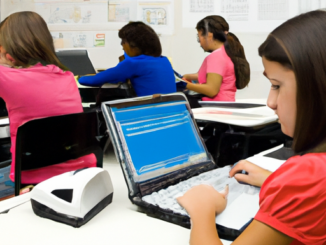
Exploring the Impact of Technology-Enhanced Learning: How Digital Tools are Shaping the Future of Education In recent years, technology has become an integral part of education, fundamentally transforming the way students learn and teachers teach. This shift toward technology-enhanced learning (TEL) has been driven by the increasing availability and advancement of digital tools, which have revolutionized traditional educational methods. As classrooms evolve to incorporate these technologies, it is crucial to explore their impact and how they are shaping the future of education. The Rise of Digital Tools in Education The integration of digital tools in education began with the introduction of computers and the internet in classrooms. Today, it encompasses a wide array of technologies, including tablets, interactive whiteboards, online learning platforms, and educational software. These tools have become invaluable assets in creating more engaging and dynamic learning environments. With access to the internet, students can explore a vast range of resources, from online textbooks to educational […]
Distance learning, often referred to as online learning or e-learning, is an educational process where students engage in coursework and instruction without being physically present in a traditional classroom setting. This mode of education leverages technology to bridge the geographical gap between students and educators. Distance learning has gained significant traction, particularly due to advancements in internet technology and the proliferation of digital devices, allowing education to become more accessible and flexible. It caters to a diverse range of students, including working professionals, those with familial responsibilities, and individuals in remote locations, providing an opportunity to learn at their own pace and convenience. One of the primary drivers behind the adoption of distance learning is its flexibility and accessibility. Unlike traditional education, which often requires students to adhere to strict schedules and physical presence in classrooms, distance learning allows students to access coursework and lectures at any time and from any location with internet connectivity. This flexibility […]
The “Flipped Classroom” model represents a transformative approach to traditional educational methods, aiming to enhance student engagement and foster deeper understanding of course material. In a flipped classroom, the conventional structure of in-class lectures followed by homework assignments is inverted. Students are introduced to new content at home, typically through video lectures or interactive modules, and then use classroom time for exercises, projects, or discussions that reinforce and apply the material. This approach allows students to learn at their own pace outside of class, pausing and replaying video content as needed, which can cater to diverse learning styles and paces. Central to the flipped classroom model is the shift in the teacher’s role from a “sage on the stage” to a “guide on the side.” This transition allows educators to focus on facilitating hands-on activities and providing individualized support. During classroom sessions, teachers can address specific student questions, clarify challenging concepts, and encourage collaborative problem-solving. The interactive […]