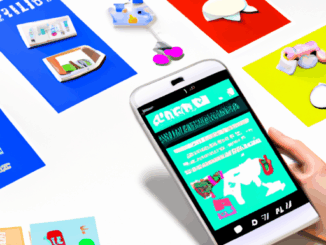
Implementing Innovative Technologies in Schools: How Modern Tools Like Virtual Reality and Artificial Intelligence Are Transforming Teaching and Learning In recent years, education has undergone significant changes driven by technological innovation. Modern tools such as virtual reality (VR) and artificial intelligence (AI) are gradually penetrating classrooms, challenging traditional teaching methods. Their integration promises not only to enrich the learning experience, but also to develop new forms of competence and engagement among students. What does this technological shift look like in practice, and what advantages and obstacles do schools face on the path to digital transformation? Concrete Examples from Practice A pioneering example is the Dallas Independent School District, which has successfully introduced VR across several subjects, from biology to history. In biology, students can “travel” through the human circulatory system or examine cell structures at a microscopic level, making abstract concepts more accessible and tangible. In history classes, virtual trips to ancient Rome or major battlefields allow […]
The Flipped Classroom Model is an innovative pedagogical approach that seeks to redefine traditional educational structures by inverting the typical sequence of classroom instruction and homework. In a conventional setting, students receive direct instruction—such as lectures—in class, followed by homework assignments meant to reinforce concepts outside of school. In contrast, the flipped classroom reverses this dynamic: the direct instruction component is delivered outside of the classroom, often through pre-recorded video lectures, reading assignments, or other online resources, while class time is dedicated to active learning exercises. These may include collaborative problem-solving, discussions, labs, or projects, with the instructor serving as a facilitator and guide rather than a primary source of knowledge delivery. This model is underpinned by educational theories such as constructivism and active learning, which emphasize the importance of student engagement and interaction in knowledge construction. By shifting the foundational, passive learning—such as listening to a lecture or reading materials—to the home environment, more classroom time […]
Blended learning, also known as hybrid learning, is an educational approach that combines traditional face-to-face instruction with online and digital elements. This model is rooted in the idea that integrating multiple delivery methods can enhance the learning experience, offering the best features of both conventional classroom and online settings. Blended learning has gained significant prominence with the advancement of educational technology, providing learners with greater flexibility, personalization, and opportunities for active engagement. In a typical blended learning environment, students might attend in-person lectures, discussions, or labs while also completing assignments, watching video lectures, or participating in discussions on digital platforms outside of classroom hours. This format allows for asynchronous learning—students can access materials and complete tasks at their own pace—and synchronous learning during scheduled class sessions. Instructors can leverage learning management systems (LMS), interactive simulations, and collaborative tools to create a more dynamic and accessible learning experience. Assessment can also be diversified, utilizing both automated online quizzes […]
How to Effectively Integrate Project-Based Learning into the School Curriculum: Benefits and Challenges In recent years, project-based learning (PBL) has emerged as a progressive teaching strategy that aligns closely with the rapidly changing demands of the modern workforce and society. Unlike traditional instruction centered on rote memorization, PBL places students at the heart of the learning process, encouraging them to solve real-world problems, collaborate, and apply knowledge from multiple disciplines. However, implementing project-based learning at the curricular level brings both significant benefits and distinct challenges that schools must consider in order to harness PBL’s full potential. What is project-based learning? Project-based learning is an educational approach in which students gain knowledge and skills by working for an extended period to investigate and respond to complex questions, problems, or challenges. Rather than passively absorbing information, learners actively engage in inquiry, create tangible products, and reflect on both the process and solution. This form of teaching is inherently student-centric, […]
The flipped classroom is an instructional model that reverses the traditional educational arrangement by shifting the direct instruction of core concepts outside the classroom and transforming in-class time into opportunities for active learning and inquiry. Traditionally, teachers deliver lectures during class and assign tasks such as homework or problem sets for students to complete independently. In contrast, the flipped classroom approach requires students to engage with new material in advance—often through teacher-prepared video lectures, podcasts, readings, or other digital resources—before coming to class. As a result, valuable classroom time is repurposed for collaborative activities, discussions, problem-solving, and application-based exercises under the direct supervision of the instructor. This pedagogical strategy draws upon principles of active learning, constructivism, and blended learning. Research suggests that the flipped classroom approach can foster deeper understanding and improve learning outcomes by allowing students to absorb basic information at their own pace, rewinding or reviewing as needed. During in-class sessions, students benefit from peer […]
Blended Learning: A Hybrid Approach to Education Blended learning, also referred to as hybrid learning, is an innovative educational model that purposefully integrates face-to-face instruction with online learning experiences. Capitalizing on the strengths of both traditional classroom settings and digital technologies, blended learning aims to create a more flexible, personalized, and effective educational environment. In this model, students may attend in-person lectures or workshops while also engaging with digital content, participating in online discussions, and completing assignments via learning management systems. The balance between online and offline components can vary widely, tailored to the subject matter, student needs, and institutional resources. A key advantage of blended learning is its ability to foster student engagement and autonomy. The online elements allow students to learn at their own pace, review material as needed, and access a wealth of multimedia resources. Simultaneously, scheduled in-person sessions provide valuable opportunities for direct interaction, collaborative problem-solving, and immediate feedback from instructors and peers. […]
The Importance of Digital Literacy in Modern Education: Preparing Students for the Future In today’s rapidly evolving technological landscape, digital literacy is no longer a mere advantage, but a fundamental necessity. Modern education must embrace digital literacy as an essential skill, equipping students not just to succeed academically, but also to thrive in their future workplaces and daily lives. As technology continues to transform industries, communication, and even societal norms, schools around the world increasingly recognize the importance of weaving digital literacy into the fabric of their curricula. What is Digital Literacy? Digital literacy encompasses much more than the ability to use computers and smartphones. It includes a broad range of competencies: understanding how to responsibly use digital tools, evaluating the credibility of online information, protecting privacy and data, creating digital content, and communicating effectively in virtual environments. Importantly, digital literacy also involves critical thinking—being able to interpret, analyze, and respond thoughtfully to digital media. Why is […]
Title: Innovative Approaches to Online Learning: How Schools are Adapting in the Digital Age In recent years, the landscape of education has undergone a remarkable transformation, driven largely by advances in technology and the widespread adoption of online learning. Traditional classroom boundaries are being redefined, compelling schools and educators to seek innovative approaches that address the unique opportunities and challenges of the digital age. This article explores how institutions are embracing new teaching models, leveraging digital tools, and fostering student engagement in virtual environments. The shift towards online learning, accelerated by global events such as the COVID-19 pandemic, has motivated schools to rapidly implement flexible and accessible educational solutions. One of the most significant developments is the adoption of blended learning models, which combine face-to-face instruction with virtual activities. According to educational researcher Dr. Linda Harris, “Blended learning allows for a more personalized educational experience, catering to different learning paces and styles while maintaining teacher-student interaction.” Schools […]
Blended learning, also known as hybrid learning, is an educational approach that combines traditional face-to-face classroom methods with online and digital instructional techniques. This model seeks to capitalize on the strengths of both in-person interactions and technology-driven learning, creating a more flexible and personalized educational experience for students. By integrating digital media such as e-learning platforms, interactive software, and video lectures with conventional teaching, blended learning environments foster greater engagement, self-paced learning, and improved access to resources. One of the main features of blended learning is its versatility. It allows educators to deliver content through multiple modalities, accommodating diverse learning preferences and needs. For example, theoretical concepts may be introduced through online modules that students can work through independently, while in-person class time can be reserved for discussion, hands-on activities, or collaborative projects. This approach not only maximizes the efficient use of classroom time but also encourages students to take greater responsibility for their learning outside of […]