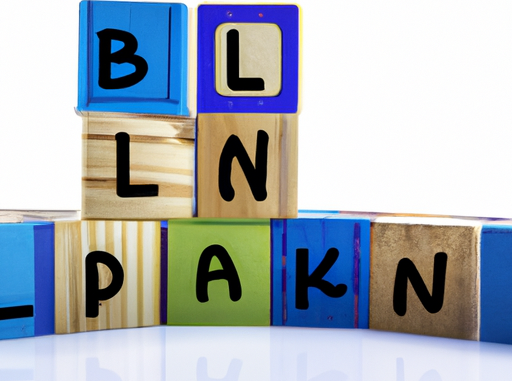
Blended Learning: An Integrative Approach to Education
Blended learning, sometimes referred to as hybrid learning, is an educational approach that combines traditional face-to-face classroom instruction with online digital media and activities. This model seeks to leverage the strengths of both in-person and virtual learning environments, offering a more flexible and student-centered experience. Typically, in a blended learning course, part of the instruction occurs in a physical classroom where teachers and students interact directly, while the other part utilizes online platforms for lectures, discussions, assignments, and assessments. The aim is to create a seamless integration where each modality complements the other, optimizing the educational process.
Scientifically, blended learning capitalizes on several educational theories and principles. It aligns with constructivist learning theory, which emphasizes active, student-driven knowledge construction, by allowing learners to access content at their own pace and revisit material as needed. Furthermore, it supports differentiated instruction—addressing diverse learning styles and needs—since digital resources can be personalized and adaptive. Numerous empirical studies suggest that blended learning can enhance learning outcomes compared to traditional settings alone. For example, a 2013 meta-analysis by the U.S. Department of Education found that students in blended environments often outperform those in purely face-to-face or online courses, especially when carefully designed to intertwine the strengths of both modalities.
Additionally, blended learning offers practical benefits in educational contexts. It facilitates greater access to resources, enables flexible scheduling, and encourages digital literacy—skills increasingly important in a technology-driven world. However, its success depends on thoughtful instructional design, effective use of technology, and ongoing support for both instructors and learners. Challenges such as the digital divide, varying levels of technological proficiency, and the need for high-quality digital materials must also be addressed. In sum, blended learning represents a dynamic and evolving strategy that holds significant promise for the future of education, providing opportunities for enhanced engagement, improved outcomes, and broader access to learning.
PhDr. Pavel Bartoš, LL.M., DBA (Evropská akademie vzdělávání / European Academy of education)
Leave a Reply