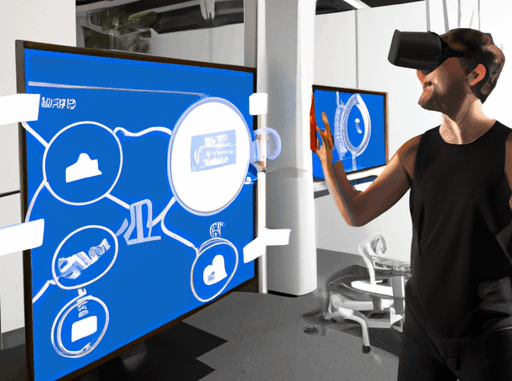
The Impact of Virtual Reality on Modern Education: Exploring Innovative Learning Environments
Virtual Reality (VR) has rapidly emerged as a transformative technology within modern education, offering students and educators new opportunities for interactive learning and engagement. In recent years, VR has evolved beyond its use in entertainment and gaming, finding meaningful applications in classrooms, vocational training, and remote learning environments. As educational institutions increasingly seek to innovate, VR stands out as a powerful tool for creating immersive, student-centered learning experiences that can significantly enhance understanding and retention.
One of the major advantages of VR in education is its ability to simulate real-world scenarios and complex environments in a safe and controlled manner. For example, medical students can practice surgeries in a virtual operating room, engineering students can explore the inner workings of complex machinery, and geography classes can take virtual field trips to otherwise inaccessible locations. Such experiences allow students to gain practical skills, experiment without risk, and engage with subject matter in a hands-on way that traditional methods often cannot match.
The use of VR also promotes active learning, which is widely recognized as one of the most effective strategies for long-term retention and comprehension. Unlike passive modalities such as lecture-based instruction, VR requires students to interact, make decisions, and solve problems within realistic contexts. This interactivity increases student motivation and fosters critical thinking, creativity, and collaboration. Many educational programs utilizing VR report higher student engagement and improved academic outcomes compared to conventional approaches.
Moreover, VR has the potential to make education more accessible and inclusive. Students with diverse learning needs or physical disabilities can benefit from customized virtual experiences and adaptive tools. Remote learners can participate in simulated laboratories or collaborative projects with counterparts worldwide, eliminating geographical barriers and democratizing access to high-quality resources. As VR platforms become more affordable and require only basic hardware such as smartphones and headsets, even schools with limited budgets can begin to implement VR-based modules into their curriculum.
However, the integration of VR into education also presents certain challenges. Effective use of VR requires careful curriculum design, well-trained educators, and continuous evaluation of learning outcomes. There may be concerns about screen time, technical issues, or the initial investment required to deploy and maintain the technology. To maximize benefits while minimizing drawbacks, educational institutions must pursue a balanced approach, combining VR with other forms of digital and traditional instruction and supporting teachers with adequate training and resources.
Looking ahead, ongoing advances in VR technology—such as higher-resolution displays, more intuitive user interfaces, and rich educational content—promise to further broaden its applications in education. As part of a larger movement toward digital transformation and student-centered learning, VR represents a powerful and creative solution to many of the challenges facing modern schools and training organizations. By thoughtfully integrating VR into curriculum, educators can foster curiosity, develop job-ready skills, and prepare students for the complexities of the 21st-century world.
In conclusion, Virtual Reality is redefining the boundaries of educational environments, offering immersive and interactive experiences that make learning more engaging, effective, and accessible. As more institutions adopt this technology, it is likely to play an increasingly important role in shaping the future of education, ensuring that students are better prepared for academic, professional, and personal success.
PhDr. Pavel Bartoš, LL.M., DBA (Evropská akademie vzdělávání / European Academy of education)
Leave a Reply