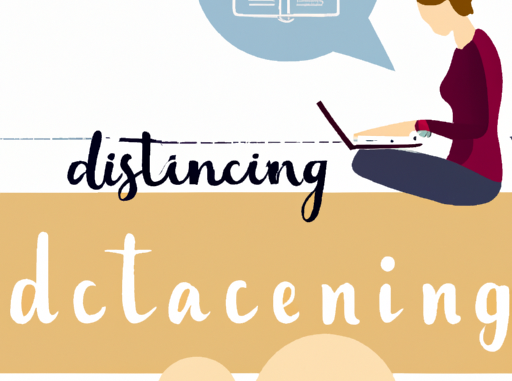
Distance learning, often referred to as online learning or e-learning, is an educational process where students engage in coursework and instruction without being physically present in a traditional classroom setting. This mode of education leverages technology to bridge the geographical gap between students and educators. Distance learning has gained significant traction, particularly due to advancements in internet technology and the proliferation of digital devices, allowing education to become more accessible and flexible. It caters to a diverse range of students, including working professionals, those with familial responsibilities, and individuals in remote locations, providing an opportunity to learn at their own pace and convenience.
One of the primary drivers behind the adoption of distance learning is its flexibility and accessibility. Unlike traditional education, which often requires students to adhere to strict schedules and physical presence in classrooms, distance learning allows students to access coursework and lectures at any time and from any location with internet connectivity. This flexibility is particularly beneficial for students who may be juggling multiple responsibilities, such as jobs or family care. Furthermore, distance learning platforms often incorporate multimedia resources, interactive modules, and forums that enhance the learning experience, making it more engaging and tailored to individual learning styles.
However, distance learning also presents several challenges that need to be addressed to ensure effective education. One significant concern is the lack of face-to-face interaction, which can impact the development of communication skills and reduce opportunities for spontaneous discussion and collaboration. Additionally, students may face difficulties in staying motivated and disciplined without the structured environment of a traditional classroom. Technical issues, such as unreliable internet access or lack of technological proficiency, can also hinder the learning process. To mitigate these challenges, educational institutions are continuously evolving their distance learning strategies by incorporating virtual classrooms, real-time video interactions, and robust support systems that aim to replicate the benefits of in-person education while maximizing the advantages of online platforms.
PhDr. Pavel Bartoš, LL.M., DBA (Evropská akademie vzdělávání / European Academy of education)
Leave a Reply