Nearly 80 per cent of the world’s poor – 887 million people – live in regions that are exposed to extreme heat, flooding and other climate hazards, highlighting the urgent need for global action to address the issue.
A severe funding shortfall is threatening to cripple UN peacekeeping operations worldwide, with the Organization warning that it will have to scale back patrols, close field offices and repatriate thousands of ‘blue helmets’ due to delayed payments from Member States.
The UN has condemned Madagascar’s military takeover, calling for the immediate restoration of constitutional order following last week’s ouster of President Andry Rajoelina.
An effective onboarding workflow is a vital tool for companies, helping to bridge the gap between hiring and long-term employee success. This post was first published on eLearning Industry. Employee Onboarding Source: eLearning Industry Read More
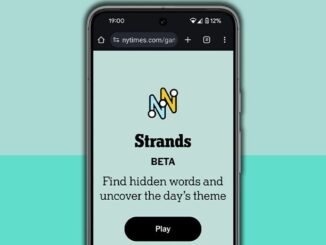
Looking for a different day? A new NYT Strands puzzle appears at midnight each day for your time zone – which means that some people are always playing ‘today’s game’ while others are playing ‘yesterday’s’. If you’re looking for Thursday’s puzzle instead then click here: NYT Strands hints and answers for Thursday, October 16 (game #592). Strands is the NYT’s latest word game after the likes of Wordle, Spelling Bee and Connections – and it’s great fun. It can be difficult, though, so read on for my Strands hints. Want more word-based fun? Then check out my NYT Connections today and Quordle today pages for hints and answers for those games, and Marc’s Wordle today page for the original viral word game. SPOILER WARNING: Information about NYT Strands today is below, so don’t read on if you don’t want to know the answers. NYT Strands today (game #593) – hint #1 – today’s theme What is the […]
The “Flipped Classroom” is an innovative pedagogical approach that inverts traditional teaching methods by delivering instructional content, often online, outside of the classroom and moving activities, including homework, into the classroom. Traditionally, teachers introduce new concepts during class time, and students are expected to reinforce that learning through homework assignments. In the flipped classroom model, students first encounter new material outside of class, usually via video lectures or curated digital content. This enables them to learn at their own pace, pausing and re-watching as needed, while class time is dedicated to interactive, hands-on activities, discussion, and collaborative problem-solving under the teacher’s guidance. Empirical research indicates several benefits associated with the flipped classroom approach. By shifting lectures outside the classroom, educators can dedicate more in-person time to higher-order learning objectives, such as application, analysis, and synthesis. This active learning environment fosters greater student engagement and can provide opportunities for differentiated instruction, as educators can more quickly identify individual […]
Discover essential insights on lean L&D, which empowers small teams to deliver impactful, data-driven learning aligned with business goals. This post was first published on eLearning Industry. eLearning Design and Development Source: eLearning Industry Read More
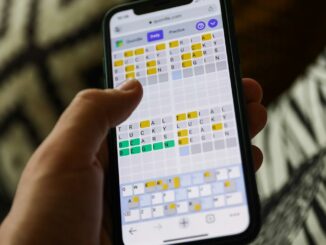
Looking for a different day? A new Quordle puzzle appears at midnight each day for your time zone – which means that some people are always playing ‘today’s game’ while others are playing ‘yesterday’s’. If you’re looking for Thursday’s puzzle instead then click here: Quordle hints and answers for Thursday, October 16 (game #1361). Quordle was one of the original Wordle alternatives and is still going strong now more than 1,100 games later. It offers a genuine challenge, though, so read on if you need some Quordle hints today – or scroll down further for the answers. Enjoy playing word games? You can also check out my NYT Connections today and NYT Strands today pages for hints and answers for those puzzles, while Marc’s Wordle today column covers the original viral word game. SPOILER WARNING: Information about Quordle today is below, so don’t read on if you don’t want to know the answers. Quordle today (game #1362) […]
If you’ve had trouble checking your balance, viewing the latest activity, or even sending or requesting cash on PayPal or Venmo earlier today, you weren’t alone. Two of the largest online payment platforms experienced major outages on October 16, 2025. According to Down Detector, which tracks reported outages for services, both PayPal and Venmo saw a surge beginning around 11 AM ET that lasted for well over an hour. PayPal hit nearly 10,000 reports, and Venmo wasn’t far behind at over 8,000. PayPal took a while to reflect the issues it was having on its own status page, but shared this statement with us after the outage had concluded: “PayPal and Venmo experienced a brief service disruption that has since been resolved.” The company has also not said what caused the interruption, but it clearly impacted many users. You can read on for our live blog reporting of the PayPal and Venmo outage, but know that it […]
This article explores how AI, analytics, and the Six Boxes® Performance Thinking model are transforming learning measurement. It reframes impact from static surveys to dynamic signals, linking learning to real-world behavior, performance systems, and business outcomes in real time. This post was first published on eLearning Industry. Learning Analytics Source: eLearning Industry Read More