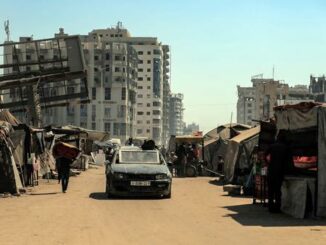
The escalating Israeli military offensive in Gaza City continues to overwhelm medical professionals there, with four more hospitals forced to shut down this month alone in the north of the war-torn enclave, the UN World Health Organization (WHO) said on Friday.
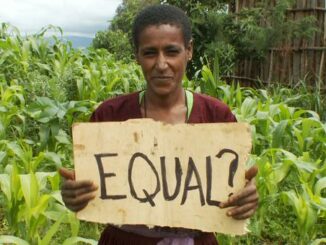
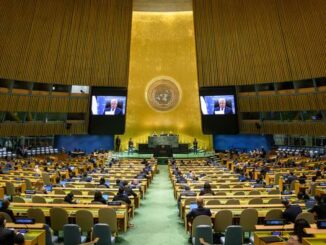
On the third day of the General Assembly’s high-level debate, African leaders delivered a resounding and unified message: the United Nations must undergo meaningful reform, and the global order must be reshaped to ensure fairness, equity, and representation for all nations.
“This is the face of Haiti today: a country at war, a modern-day Guernica, a human tragedy.” From the podium of the UN General Assembly, Haiti’s transitional leader delivered a stark plea to the international community.
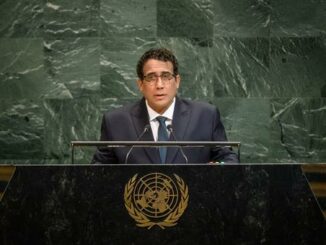
The President of Libya’s Presidential Council upheld the principle of national sovereignty, unity and stability in his speech to the UN General Assembly on Thursday.
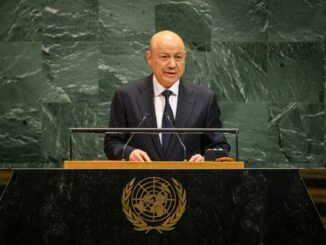
Yemen’s President Rashad Mohammed Al-Alimi on Thursday urged the international community to move beyond statements, to “firm international action” against Houthi separatists, saying the crisis provoked by the militants’ international aggression now threatens regional and global security.
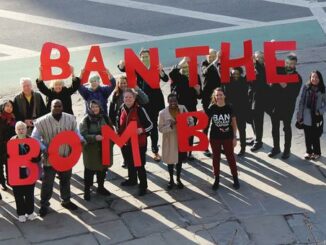
Nuclear weapons continue to pose an existential threat to humanity. On Friday in New York as high-level week draws to a close, world leaders will revisit the grave dangers these weapons pose and push for renewed global efforts to eliminate them.
As companies grow, managing payroll can become more complicated due to evolving tax laws. The right payroll software can help save time, minimize errors, and ensure compliance with regulations. This article explores various pricing models and hidden fees tied to payroll software while providing tips on how to reduce payroll costs. This post was first published on eLearning Industry. HR Tools Source: eLearning Industry Read More
Differentiated instruction is an educational approach rooted in the understanding that students have diverse backgrounds, learning profiles, readiness levels, and interests. Rather than adopting a one-size-fits-all method, differentiated instruction requires teachers to adapt their lesson content, processes, products, and learning environments to meet the needs of each student. The foundational theory aligns with constructivist learning, emphasizing student-centered education where instruction is proactive and responsive. Tomlinson (2001), a leading scholar in the field, defines differentiated instruction as tailoring instructional strategies to accommodate individual differences and facilitate meaningful learning experiences for all students, particularly in mixed-ability classrooms. A differentiated classroom involves teachers using ongoing formative assessments to diagnose student readiness and preferences. Based on this information, teachers may vary what students learn (content), how they learn it (process), or how they demonstrate their understanding (product). For example, a science teacher might use tiered assignments, offering more complex tasks to advanced learners while providing scaffolded support to those who need […]
This article explores the role of managed learning services in enterprise L&D and highlights the advantages they bring in scaling, efficiency, and workforce transformation. This post was first published on eLearning Industry. Learning And Development Source: eLearning Industry Read More
With nearly half the global population under 30, the UN continues to emphasise the indispensable role young people play in decision-making towards achieving a just, equitable and sustainable future for all.
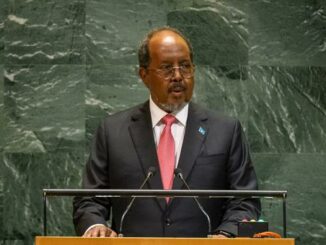
In his address to the General Assembly, the President of Somalia Hassan Sheikh Mohamud outlined global challenges and shared the progress his country has made in the fight against terrorism, promoting inclusive governance and economic development.
Mahmoud Abbas, President of the State of Palestine, addressed the UN General Assembly on Thursday, declaring that his people were enduring a “war of genocide, destruction, starvation and displacement” at the hands of Israel’s military in Gaza.