When was the last time you purchased something online without checking out reviews? Maybe a decade ago? Things have changed massively as the competition grows, and B2B customers need to ensure they invest their money in the right solution. This post was first published on eLearning Industry. PPC Campaign Management Source: eLearning Industry Read More
Find out why data enrichment is essential for EdTech companies to maximize AI potential and create personalized, data-driven learning journeys. This post was first published on eLearning Industry. Educational Technology Source: eLearning Industry Read More
The UN Children’s Fund (UNICEF) called on Thursday for the international community to do everything possible to prevent catastrophe in Gaza City as Israel ramps up military operations ahead of a planned full takeover.
As billions continue to breathe polluted air that causes more than 4.5 million premature deaths every year, UN climate experts on Friday highlighted how damaging microscopic smoke particles from wildfires play their part, travelling halfway across the world.
How can using AI help you gather richer data and go beyond traditional measurement metrics? This guide delves into the roles of AI in L&D and how it can help you build content that tracks more than assessment scores. This post was first published on eLearning Industry. Artificial Intelligence Source: eLearning Industry Read More
War-torn Sudan continues to face “a horrific humanitarian situation” as UN colleagues scramble to help communities affected by the devastating landslide that struck Tarseen village in South Darfur state over the weekend, UN Spokesperson Stéphane Dujarric said on Thursday.
Blended Learning: A Comprehensive Overview Blended learning represents a pedagogical approach that integrates traditional face-to-face classroom methods with online educational materials and opportunities for interactive virtual engagement. Rather than replacing conventional teaching, blended learning augments it, offering a mix of in-person teaching and digital instruction. This model can take multiple forms, from the “flipped classroom”—where students review materials online at home and use class time for problem-solving—to rotational models, where learners cycle between online and offline stations. The flexibility inherent in blended learning allows educators to leverage technology to personalize instruction, cater to diverse learning needs, and utilize classroom time more effectively for collaboration and discussion. Central to the success of blended learning is its potential for increased accessibility and self-paced study. Digital platforms offer students a wealth of resources—videos, simulations, quizzes, readings—accessible anytime and anywhere. This approach supports differentiated instruction, as learners can progress through materials at their own speed, revisit challenging content, and receive instant […]
A senior official from the UN human rights office, OHCHR, said on Thursday he was extremely concerned over intensifying Israeli military operations in northern Gaza – including Gaza City – and warned against any attempt to annex parts of the West Bank.
As the death toll from the Afghanistan earthquake disaster jumped to more than 2,200 on Thursday, UN agencies continued to help, while calling for funding to help build sturdier housing to withstand future shocks.
Online degree programs have become a powerful tool for working professionals seeking to advance into leadership positions without pausing their careers or relocating. This post was first published on eLearning Industry. eLearning Benefits Source: eLearning Industry Read More
70% of managers fear giving direct feedback, yet 80% of employees who receive meaningful feedback weekly are fully engaged. Activity-based training in the daily workflow helps reluctant managers build feedback confidence and drive 23% higher team profitability through practice, not theory. This post was first published on eLearning Industry. Leadership Development Source: eLearning Industry Read More
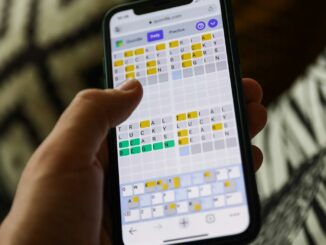
Looking for a different day? A new Quordle puzzle appears at midnight each day for your time zone – which means that some people are always playing ‘today’s game’ while others are playing ‘yesterday’s’. If you’re looking for Thursday’s puzzle instead then click here: Quordle hints and answers for Thursday, September 4 (game #1319). Quordle was one of the original Wordle alternatives and is still going strong now more than 1,100 games later. It offers a genuine challenge, though, so read on if you need some Quordle hints today – or scroll down further for the answers. Enjoy playing word games? You can also check out my NYT Connections today and NYT Strands today pages for hints and answers for those puzzles, while Marc’s Wordle today column covers the original viral word game. SPOILER WARNING: Information about Quordle today is below, so don’t read on if you don’t want to know the answers. Quordle today (game #1320) […]