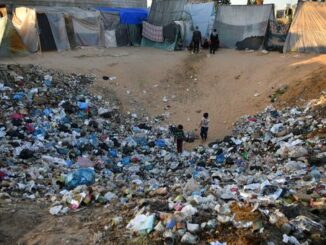
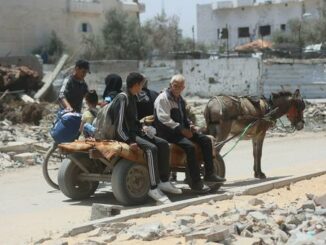
The UN Secretary-General is “appalled” by the deepening humanitarian crisis in Gaza, as civilians face yet another wave of mass displacement with few safe places to go.
Make compliance training engaging and memorable with scenario-based eLearning that boosts retention and real-world application. This post was first published on eLearning Industry. Compliance Training Source: eLearning Industry Read More
Temperatures across lower South America have plummeted – falling as low as -15° Celsius or 5° Fahrenheit in some places – as a rare polar cold wave grips the region, the World Meteorological Organization (WMO) reported on Thursday.
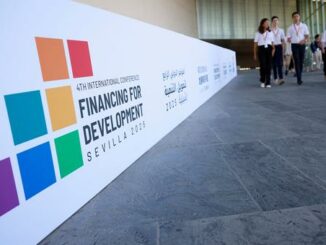
The landmark Financing for Development conference in Sevilla has concluded with a renewed sense of resolve and a focus on action that can change lives worldwide, according to UN Deputy Secretary-General Amina Mohammed.
As AI keeps evolving, what we knew about Search Engine Optimization changes, and we are forced to adapt to the new reality. Let’s discuss everything you should know about this new era and how you can optimize your content marketing strategy to rank higher. This post was first published on eLearning Industry. SEO Source: eLearning Industry Read More
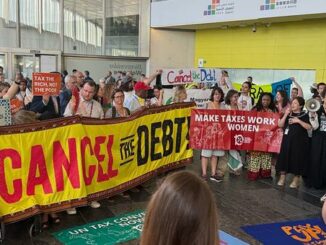
Civil society organisations have welcomed the consensus reached at the landmark sustainable development conference concluding this Thursday in Seville, while cautioning that real progress will depend on sustained action.
Are employees making the same errors time and again? Could they use some bite-sized support to bridge gaps on the go? In this guide, we highlight 6 creative ways to use online training podcasts to reduce workplace mistakes. This post was first published on eLearning Industry. eLearning Podcasts Source: eLearning Industry Read More
A key water reservoir serving Khan Younis in southern Gaza has become inaccessible following new Israeli displacement orders, sparking fears of a collapse in the city’s water distribution network and worsening already dire humanitarian conditions, the United Nations warned on Wednesday.
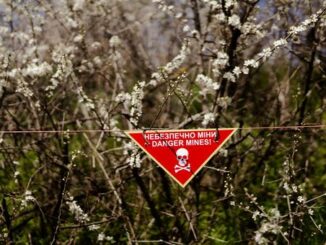
The UN’s top human rights official on Wednesday expressed grave alarm that six European countries are either in the process of or are considering withdrawing from the international treaty prohibiting anti-personnel mines.
The flipped classroom is an instructional model that reverses the traditional educational arrangement by shifting the direct instruction of core concepts outside the classroom and transforming in-class time into opportunities for active learning and inquiry. Traditionally, teachers deliver lectures during class and assign tasks such as homework or problem sets for students to complete independently. In contrast, the flipped classroom approach requires students to engage with new material in advance—often through teacher-prepared video lectures, podcasts, readings, or other digital resources—before coming to class. As a result, valuable classroom time is repurposed for collaborative activities, discussions, problem-solving, and application-based exercises under the direct supervision of the instructor. This pedagogical strategy draws upon principles of active learning, constructivism, and blended learning. Research suggests that the flipped classroom approach can foster deeper understanding and improve learning outcomes by allowing students to absorb basic information at their own pace, rewinding or reviewing as needed. During in-class sessions, students benefit from peer […]
Ensure a seamless LMS migration for your association without data loss or downtime. Follow expert steps and tips for a successful transition. This post was first published on eLearning Industry. Learning Management Systems Source: eLearning Industry Read More
Space technologies are no longer a distant frontier but a critical foundation for daily life and global development, the UN Deputy Secretary-General said on Wednesday.