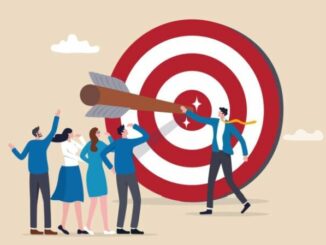
Learn why looking beyond completion rates and quiz scores is essential to truly measure impact and drive real behavioral change in your organization. This post was first published on eLearning Industry. eLearning Best Practices Source: eLearning Industry Read More
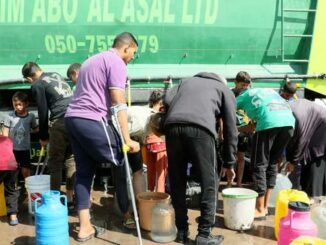
The fuel crisis in Gaza has reached a breaking point, threatening to bring all humanitarian operations to a halt and endangering the lives of everyone reliant on aid inside the enclave, UN agencies warned in a powerful joint statement on Saturday.
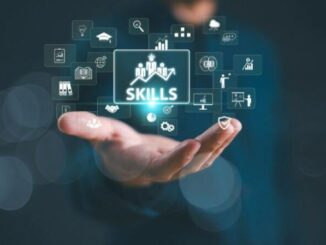
Discover how AI-powered tools are helping tech giants scale, personalize, and measure soft skills training. This post was first published on eLearning Industry. Artificial Intelligence Source: eLearning Industry Read More
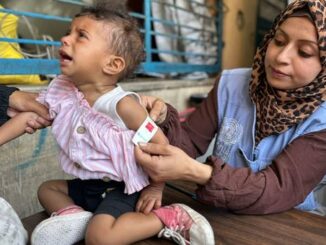
Emergency vaccination campaigns have slashed deaths from major infectious disease outbreaks by nearly 60 per cent since 2000, according to a new study published this week.
Spacious paddocks, green pastures, and a devoted all-female staff: on Long Island, a strip of land surrounded by the Atlantic Ocean near New York City, horses once destined for slaughter are given a second chance – to live, and to help people heal. The farm, founded in 2010 by Marisa Striano, is named after her beloved horse, Spirit’s Promise. It offers healing – for both horses and humans in need.
Humanitarian needs in the Gaza Strip “have never been higher” while the ability to assist the population has “never been more constrained,” a senior official with the World Food Programme (WFP) said on Friday in New York.
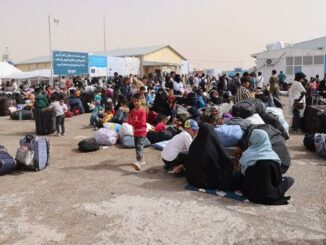
A chaotic wave of returnees from Iran and Pakistan is straining Afghanistan’s already fragile capacity under Taliban rule and threatening broader regional stability, said the UN refugee agency, UNHCR, on Friday.
What were the top guest articles that piqued readers’ interest last month? Let’s shine the spotlight on 5 standout selections. This post was first published on eLearning Industry. eLearning Design and Development Source: eLearning Industry Read More
Young people are shaping the future and demanding a world that is just, inclusive and sustainable, the UN chief said on Friday, marking World Population Day.
The Flipped Classroom Model is an innovative pedagogical approach that seeks to redefine traditional educational structures by inverting the typical sequence of classroom instruction and homework. In a conventional setting, students receive direct instruction—such as lectures—in class, followed by homework assignments meant to reinforce concepts outside of school. In contrast, the flipped classroom reverses this dynamic: the direct instruction component is delivered outside of the classroom, often through pre-recorded video lectures, reading assignments, or other online resources, while class time is dedicated to active learning exercises. These may include collaborative problem-solving, discussions, labs, or projects, with the instructor serving as a facilitator and guide rather than a primary source of knowledge delivery. This model is underpinned by educational theories such as constructivism and active learning, which emphasize the importance of student engagement and interaction in knowledge construction. By shifting the foundational, passive learning—such as listening to a lecture or reading materials—to the home environment, more classroom time […]
Discuss the differences between homeschooling and eLearning, including the pros and cons and how to blend both together. This post was first published on eLearning Industry. eLearning Basics Source: eLearning Industry Read More