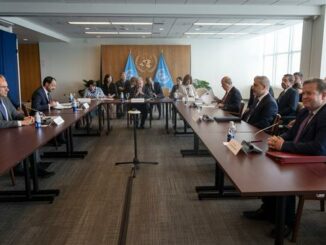
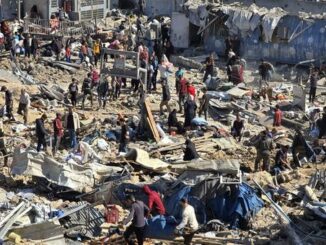
Reporting “constructive” discussions on Cyprus, UN Secretary‑General António Guterres announced on Thursday that four previously agreed trust‑building measures have been realized, technical work continues on two others, and the parties have agreed to expand cooperation on youth, environment, culture and civil society.
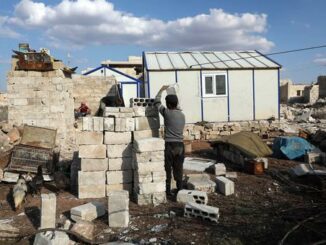
The UN humanitarian office (OCHA) reported mass displacement in Swedia, Syria after five days of sectarian violence between Bedouin tribal fighters, government forces and Druze militias.
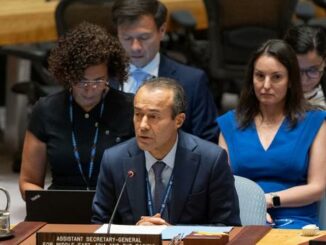
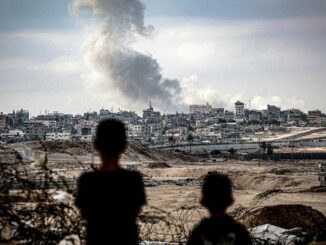
A surge in sectarian violence in southern Syria and Israeli airstrikes reaching central Damascus have pushed the war‑scarred country into a volatile juncture, a senior UN official said on Thursday, warning that renewed violence could shatter prospects for peace and fuel wider regional instability.
What changes should we expect in the role of L&D professionals in the age of AI? Read on to explore key skills they need to acquire to keep up with the rapid changes and technological advancements in the world of Learning and Development. This post was first published on eLearning Industry. Artificial Intelligence Source: eLearning Industry Read More
Blended learning, also known as hybrid learning, is an educational approach that combines traditional face-to-face classroom instruction with online and digital learning experiences. This pedagogical model leverages the best aspects of both methods: the immediate, interactive benefits of in-person teaching, and the flexibility, scalability, and individualized learning possibilities offered by digital technologies. While the precise blend can vary, typical structures include students engaging with instructional content online at their own pace, then participating in live sessions to discuss, apply, or expand upon what they have learned. This approach is increasingly facilitated by widespread access to digital devices and learning management systems, which support interactive multimedia content, communication tools, and assessments. Scientific research into blended learning has demonstrated multiple advantages over solely traditional or purely online education. Firstly, blended learning can address diverse learning styles by providing a mixture of visual, auditory, and kinesthetic activities, increasing engagement and retention. Secondly, the digital component allows for data-driven insights, enabling […]
Pakistan’s monsoon emergency deepened on Thursday as authorities declared disaster zones across parts of eastern Punjab state after lethal cloudbursts and flash floods killed dozens in a single day.
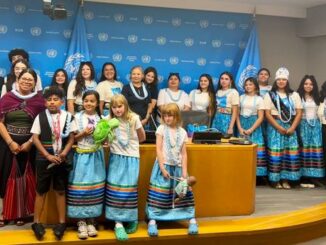
A group of Indigenous youth from the United States, some as young as seven, visited the United Nations Headquarters in New York this week for the first time.
The Security Council meets this afternoon for an emergency session on Syria after a wave of Israeli airstrikes reportedly hit military sites and key locations in Damascus, killing and injuring civilians and soldiers. The meeting was requested by Syria and backed by Council members Algeria and Somalia. A senior UN political affairs official is expected to brief ambassadors, with regional countries also participating. Stay with us for live updates, in coordination with UN Meetings Coverage. UN News App users can follow here.
Explore how a global development org built climate literacy with immersive learning on nature-based solutions to drive climate resilience. This post was first published on eLearning Industry. eLearning Case Studies, Immersive Learning Source: eLearning Industry Read More
The UN High Commissioner for Human Rights, Volker Türk has deplored deadly attacks in Sudan’s Kordofan region this week, his office said in a statement on Thursday.
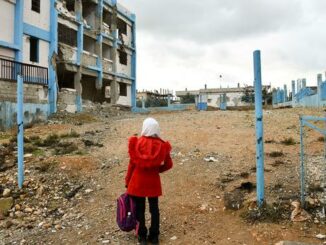
From makeshift furniture in Gaza to metro classrooms in Ukraine and solar-powered tablets in Sudan, the UN is working to bring education to millions of crisis-affected children.