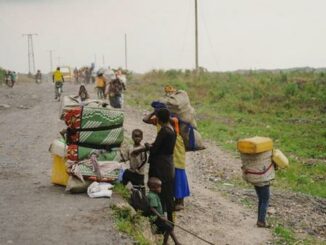
In the eastern Democratic Republic of the Congo (DRC), insecurity and horrific sexual violence have left tens of thousands fleeing across borders with no sign of the exodus stopping, the UN refugee agency (UNHCR) said on Tuesday.
Compliance training doesn’t have to be a headache. Join this webinar to see how a Learning Management System can simplify compliance training, cut down on manual work, and keep your team on track. This post was first published on eLearning Industry. Source: eLearning Industry Read More
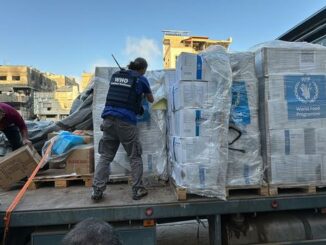
Israel’s move to prevent all aid from entering the Gaza Strip after Hamas reportedly refused to accept a plan to continue with phase one of the fragile ceasefire has had an immediate impact, including a 100-fold increase in the price of flour and vegetables.
Dramatically evolving geopolitical tensions amid “dangerous nuclear rhetoric and threats” are a stark wake-up call for States to take action to support the legally binding atomic weapon ban treaty, UN Secretary-General António Guterres said on Monday.
The “Flipped Classroom” model represents a transformative approach to traditional educational methods, aiming to enhance student engagement and foster deeper understanding of course material. In a flipped classroom, the conventional structure of in-class lectures followed by homework assignments is inverted. Students are introduced to new content at home, typically through video lectures or interactive modules, and then use classroom time for exercises, projects, or discussions that reinforce and apply the material. This approach allows students to learn at their own pace outside of class, pausing and replaying video content as needed, which can cater to diverse learning styles and paces. Central to the flipped classroom model is the shift in the teacher’s role from a “sage on the stage” to a “guide on the side.” This transition allows educators to focus on facilitating hands-on activities and providing individualized support. During classroom sessions, teachers can address specific student questions, clarify challenging concepts, and encourage collaborative problem-solving. The interactive […]
When people show up at work physically but aren’t really engaged, it can hurt both productivity and the company’s success. That’s why it’s important to know all about resenteeism and how it can hurt your business. This post was first published on eLearning Industry. Employee Wellness Source: eLearning Industry Read More
The education app development company selected determines the quality of the learning platform you develop. A professional development company applies current technology to meet all educator and learner expectations. This post was first published on eLearning Industry. eLearning Design and Development Source: eLearning Industry Read More
The booming ocean economy sustains hundreds of millions of people, but it is being squeezed dry by overfishing, pollution, climate change and waste, UN economists warned on Monday, in a call for smarter, more concerted action to protect the world’s vast marine spaces for future generations.
In his latest address to the International Atomic Energy Agency (IAEA) Board of Governors on Monday, Director General Rafael Mariano Grossi warned of the escalating nuclear safety risks in Ukraine as the conflict grinds on.
Explore how designing for neurodivergence in eLearning can close the gaps found in conventional learning practices. This post was first published on eLearning Industry. Accessible Learning Source: eLearning Industry Read More
Gang violence, political instability and economic turmoil have displaced over 700,000 people in Haiti, forcing families from their homes with nothing but what they can carry; some 5.5 million people – half of Haiti’s population – rely on humanitarian aid to survive.
The UN Children’s Fund (UNICEF) and partners in the eastern Democratic Republic of the Congo (DRC) are providing lifesaving clean water supplies to 700,000 people a day – around 364,000 of them children – in the regional capital Goma after breaks in the water supply due to the uptick in fighting.