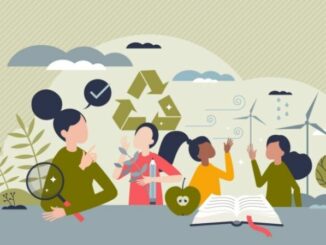
Differentiated instruction is a pedagogical approach that emphasizes the need to tailor educational practices to meet the diverse needs of students. This method recognizes that students vary significantly in terms of their prior knowledge, readiness to learn, interests, and learning profiles. Rather than adopting a one-size-fits-all approach, differentiated instruction involves creating multiple pathways for students to engage with the curriculum. It aims to enhance learning by providing a range of entry points, activities, and assessment methods. This approach can be particularly beneficial in classrooms with a wide range of abilities, as it seeks to provide appropriate levels of challenge and support for every student. One of the core techniques of differentiated instruction is flexible grouping. This involves organizing students into temporary groups that can change as needed based on specific tasks, learning objectives, or interests. These groups allow teachers to provide targeted instruction and enable students to collaborate with peers who might share similar learning needs or […]
Job satisfaction ensures that employees show up to work feeling content with their roles and responsibilities. An organization’s efforts to achieve this are significant. These statistics explain why job satisfaction is so vital and how you can increase it. This post was first published on eLearning Industry. Employee Experience Source: eLearning Industry Read More
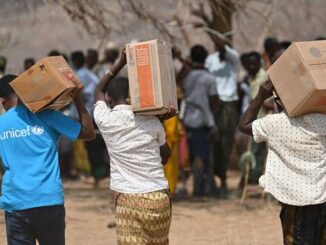
The UN Children’s Fund (UNICEF) on Friday strongly condemned the looting of vital humanitarian supplies from Al Bashair Hospital in the Sudanese capital, Khartoum, warning that the theft puts thousands of malnourished children and mothers at risk.
The United Nations commemorated the International Day for the Elimination of Racial Discrimination on Friday, calling on the global community to uphold its shared responsibility to combat racism in all its forms.
In a world where climate change, resource scarcity, and environmental sustainability are the buzzwords of the day, businesses of all kinds are looking for means to lower their carbon footprint. This post was first published on eLearning Industry. eLearning Benefits Source: eLearning Industry Read More
Children, refugees and displaced people worldwide are paying the price for the deep-seated funding crisis that has engulfed the international aid sector, made worse by pronounced cuts in Washington, the UN children’s and refugee agencies said on Friday.
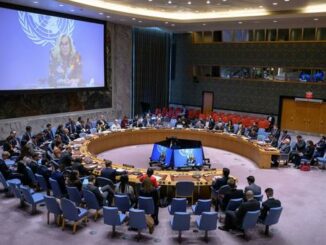
The Israel-Palestine conflict is descending further into violence, with mounting civilian casualties in the West Bank and a deepening humanitarian crisis in Gaza, the UN’s top envoy for the region warned on Friday.
Back in the day, inbound and outbound marketing was known as “push” and “pull.” The words might have changed, but the meaning remains the same. Let’s see why every SaaS B2B company should create a healthy inbound marketing strategy that pulls in new clients. This post was first published on eLearning Industry. B2B Lead Generation Source: eLearning Industry Read More
Classes cut short by air raid sirens have become a routine part of school life for many Ukrainian youngsters in the three years since Russia’s full-scale invasion began, a new UN report published on Friday details.
Israel’s renewed bombing campaign and intensifying ground operation in Gaza are reversing gains achieved during the brief ceasefire, UN humanitarians inside the devastated enclave said on Friday.
Discover how AI-driven grading, personalized feedback, and data analytics are transforming student evaluations and enhancing learning outcomes in K-12 and higher education. This post was first published on eLearning Industry. eLearning Assessments Source: eLearning Industry Read More
Melting glaciers, climate crises and access to clean water are some of the messages emerging ahead of World Water Day and the first ever World Day for Glaciers. Join us for live coverage of events at UN Headquarters in New York, Paris and around the world on the 2025 theme of preserving glaciers. UN News app users can follow here.